
Petrol vs Diesel vs Hybrid Cars in India (2026): Which Fuel Type Makes More Sense for Your Usage?

- Petrol remains the most practical choice for low monthly usage
- Diesel still makes sense for heavy highway running and long-distance users
- Strong hybrids are becoming the middle ground between fuel efficiency and convenience
The petrol vs diesel debate in India has changed significantly over the last few years. Currently, petrol prices in major cities continue hovering above Rs. 100 per litre, while diesel remains above Rs. 90 per litre. At the same time, stricter emission rules, rising diesel restrictions, and the growth of strong hybrid technology have complicated the buying decision further. For most buyers today, the right fuel type depends less on trends and more on usage patterns, monthly running, location, and long-term ownership plans.
Also read: Legal vs Illegal Car Modifications in India: What Can Get Your RC Cancelled or Vehicle Seized?
The Running Cost Reality in 2026
On paper, diesel and hybrid cars still offer significantly lower running costs than petrol cars. However, the higher purchase price also changes the equation. The thing is that diesel cars usually cost Rs. 1.5 lakh to Rs. 2.5 lakh more than equivalent petrol versions, while strong hybrids like the Maruti Suzuki Grand Vitara or Toyota Urban Cruiser Hyryder can cost nearly Rs. 3 lakh more upfront. That means if your monthly driving stays below roughly 1,000-1,200 km, you may never fully recover the additional cost of a diesel or hybrid before selling the car.
| Fuel Type | Real-World Mileage (Approx Average) | Approx. Cost Per KM | Monthly Fuel Cost (1,500 km) (Estimate) |
| Petrol | 12-14 kmpl | Around Rs. 7.8/km | Around Rs. 11,700 |
| Diesel | 17-19 kmpl | Around Rs. 5.1/km | Around Rs. 7,650 |
| Strong Hybrid | 24-27 kmpl | Around Rs. 4.1/km | Around Rs. 6,150 |
Who Should Buy a Petrol Car?
Petrol cars continue to make the most sense for buyers with lower monthly usage and primarily city driving. Modern petrol engines are smoother, quieter, cheaper to maintain, and usually come with lower insurance premiums. They also avoid the extra complexity associated with diesel emissions equipment like DPF systems and AdBlue refills.
Also read: Top 7 Most Powerful Electric Cars In India Under Rs 30 Lakh: Performance Meets Electrification
Cars like the Maruti Suzuki Dzire, Hyundai Creta, Kia Seltos, and Maruti Suzuki Fronx remain popular petrol choices because they deliver on refinement, features, and ownership costs well.
Petrol makes more sense if:
- Your monthly running is under 1,200 km
- Most driving happens inside the city
- You want lower EMIs and maintenance costs
- You live in regions with stricter diesel restrictions
Who Should Buy a Diesel Car?
Despite stricter rules, diesel remains the preferred option for heavy highway users. Modern diesel engines continue to deliver strong torque, relaxed cruising ability, and noticeably better efficiency on long drives. However, diesel ownership has become more complicated in urban conditions. BS6.2 and newer diesel engines rely heavily on DPF systems, which can clog if the car is driven only in stop-go traffic without regular highway runs.
Also read: Owning A BS6 Diesel Car: How To Maintain And How to Avoid DPF Issues
SUVs like the Mahindra Scorpio N, Mahindra XUV 7XO, and Hyundai Creta still appeal strongly to buyers regularly travelling between cities.
Diesel makes more sense if:
- Your monthly running exceeds 1,800-2,000 km
- You do frequent highway trips
- You need strong pulling power or towing capability
- You plan to keep the car for shorter ownership cycles outside NCR regions
Why Strong Hybrids Are Growing Rapidly
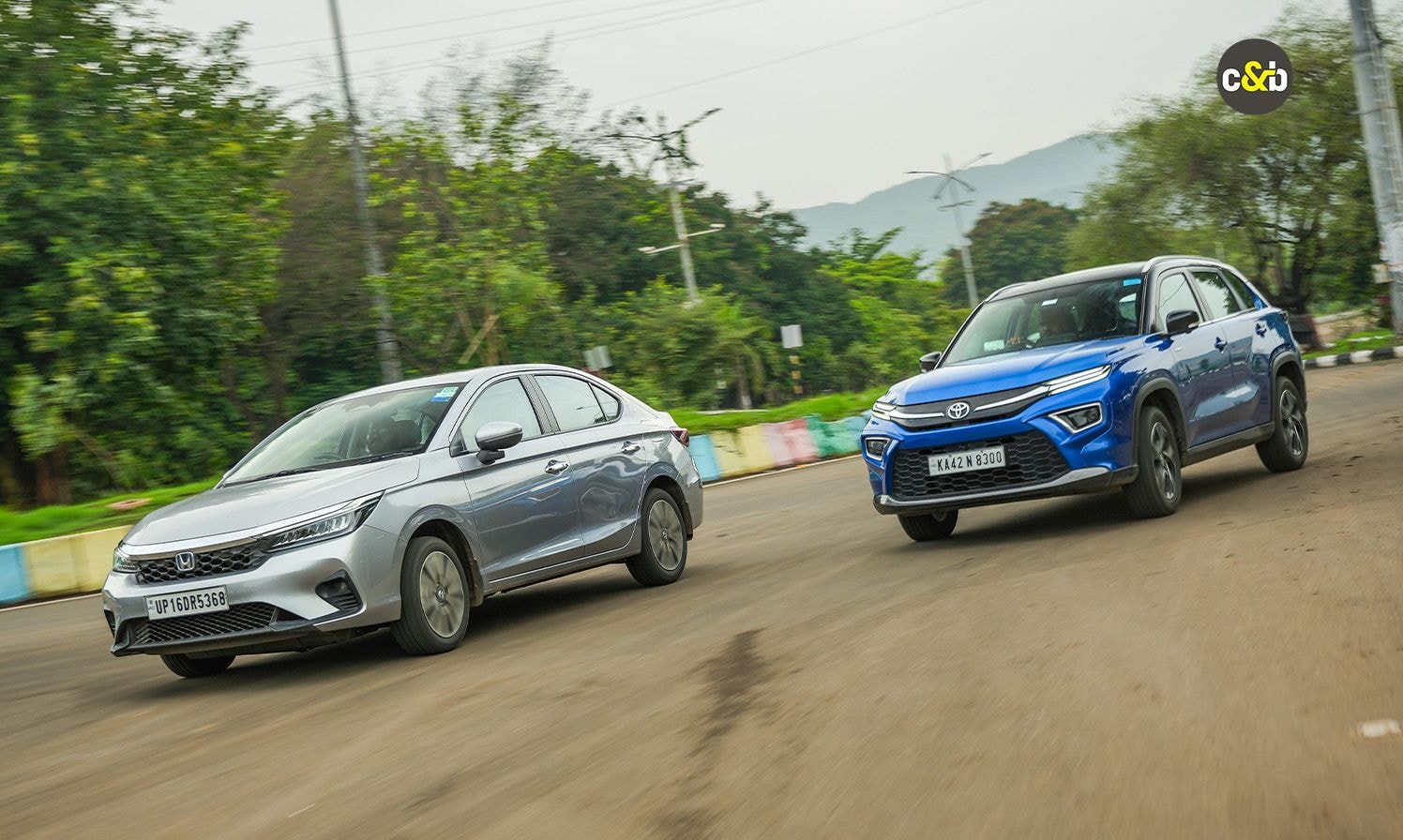
Strong hybrids are now filling the gap between petrol and diesel. Cars like the Honda City Hybrid, Maruti Suzuki Grand Vitara and Toyota Urban Cruiser Hyryder can comfortably deliver over 25 kmpl in real-world city driving while avoiding many of the long-term concerns associated with diesel ownership.
Also read: 5 Most Affordable Diesel Cars Under Rs. 10 Lakh In 2026
Unlike EVs, hybrids also remove charging anxiety completely since they continue using petrol alongside the battery system. For many urban buyers in 2026, hybrids now offer diesel-like efficiency without diesel-related restrictions.
Hybrid makes more sense if:
- You want maximum fuel efficiency without a charging infrastructure
- Most driving happens in urban traffic
- You plan long-term ownership
- You want lower running costs without EV range concerns
The Hidden Factor: RTO Rules and Resale Value
Fuel choice in 2026 is no longer only about mileage. In Delhi-NCR, diesel cars are deregistered after 10 years, while petrol cars remain legal for 15 years. That alone affects long-term resale value significantly. Several cities are also slowly tightening rules around older diesel vehicles and commercial fleets.
At the same time, many manufacturers, including Maruti Suzuki and Honda, have already exited the diesel segment entirely, shifting towards strong hybrids instead. That shift is important because it signals where the market is heading over the next few years.
So, Which One Makes the Most Sense in 2026?
Petrol still works best for low-running urban buyers. Diesel remains difficult to ignore for frequent highway users and large SUV buyers. Meanwhile, strong hybrids are increasingly becoming the middle ground for people who want high mileage without dealing with charging or diesel restrictions. In 2026, the smarter choice is no longer about choosing the “best” fuel type overall. It’s about choosing the one that actually matches how and where you drive.


Latest News


 car&bike Team | Jun 29, 2026Tata Sierra EV Launch Today: What To Expect?The Sierra EV is expected to share much of its package with the Harrier EV.3 mins read
 car&bike Team | Jun 29, 2026Delhi EV Policy Approved: Electric Cars Under Rs 30 Lakh To Get Full Tax ExemptionThe new policy offers purchase incentives and scrappage benefits while laying down a roadmap for EV-only registrations across several vehicle segments, including two-wheelers from 2028.2 mins read
 car&bike Team | Jun 29, 2026New-Gen BMW X5 Teased Ahead Of Global Debut TomorrowThe teaser previews a fresh X-shaped lighting signature in a familiar illuminated grille setup.3 mins read
 Jaiveer Mehra | Jun 28, 2026Nissan Tekton Spied Undisguised Ahead Of July 9 DebutSole image of the SUV showcases the rear design of the SUV.1 min read
 Carandbike Team | Jun 28, 2026Renault Kwid Facelift India Launch On July 3Latest facelift marks the second major update for the entry hatchback since its launch in 2015.1 min read
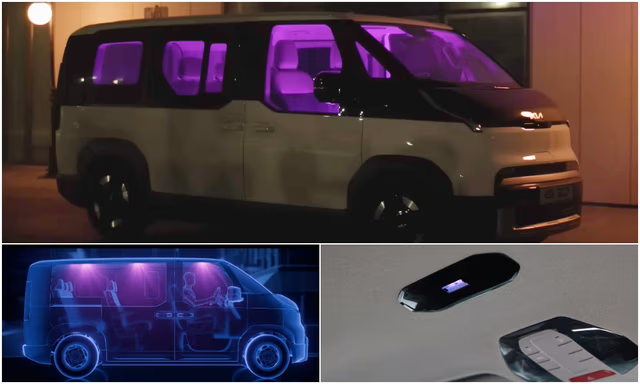 Amaan Ahmed | Jun 27, 2026Future Hyundai, Kia Cars May Feature In-Built UVC SanitiserHyundai Motor Group has unveiled 'Plasma Care UVC' technology, which utilises plasma lamps to safely and effectively destroy bacteria and viruses present inside a car.1 min read
 Seshan Vijayraghvan | Jun 29, 2026Renault Kiger vs Toyota Urban Cruiser Taisor: Which Underdog Deserves Your Money?Both the Kiger and the Taisor promise strong performance, solid features, comfortable cabins and everyday usability, all without breaking the bank. But which of these underrated subcompact SUVs deserves your money? Let's find out.1 min read
 Seshan Vijayraghvan | Jun 29, 2026Skoda Kodiaq RS Review: The Best Kodiaq Yet?The Skoda Kodiaq RS is finally here, and it's every bit as exciting as I expected. But was it worth the wait?7 mins read
 Bilal Firfiray | Jun 28, 2026BMW X6 M60i Review: It’s Back And HOW!The BMW X6 M60i blends a 530bhp twin-turbo V8, with its unmistakable coupe-SUV styling. There’s plenty of character, but is it worth your money?6 mins read
 Janak Sorap | Jun 25, 2026350cc Bajaj Dominar 400 Review: Same Character, Lower PriceA slightly lower displacement engine, a significantly lower price tag and nearly the same performance — the Bajaj Dominar 400 aims to be smarter rather than faster.6 mins read
 Preetam Bora | Jun 25, 20262026 Bajaj Pulsar NS400Z First Ride Review: Smaller Engine, But Should You Buy It?The Bajaj Pulsar NS400Z won our Two-Wheeler Upgrade of the Year. Then new tax slabs happened. Smaller engine, same badge – but does it still deliver?6 mins read