
F1 2017: Controversial Halo Protection System To Be Mandatory On Cars

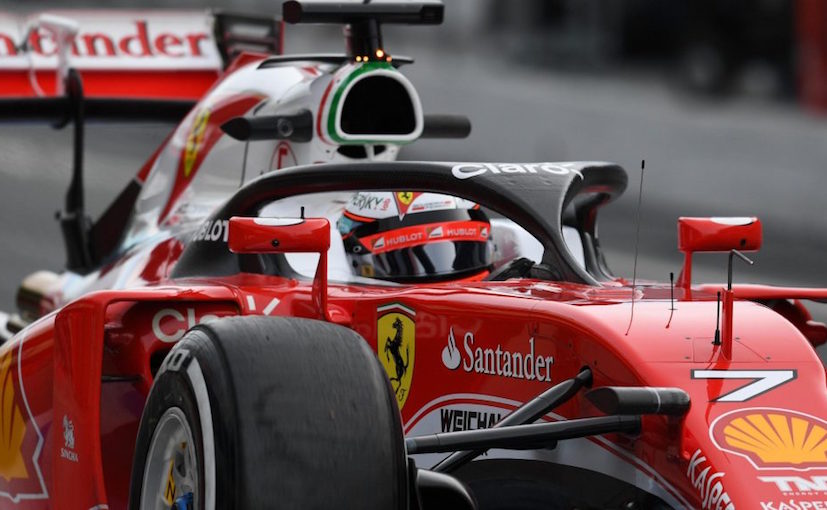
- The device was in much contention last season with polarised opinions
- It's a three pronged, wishbone shaped device that acts as a windshield
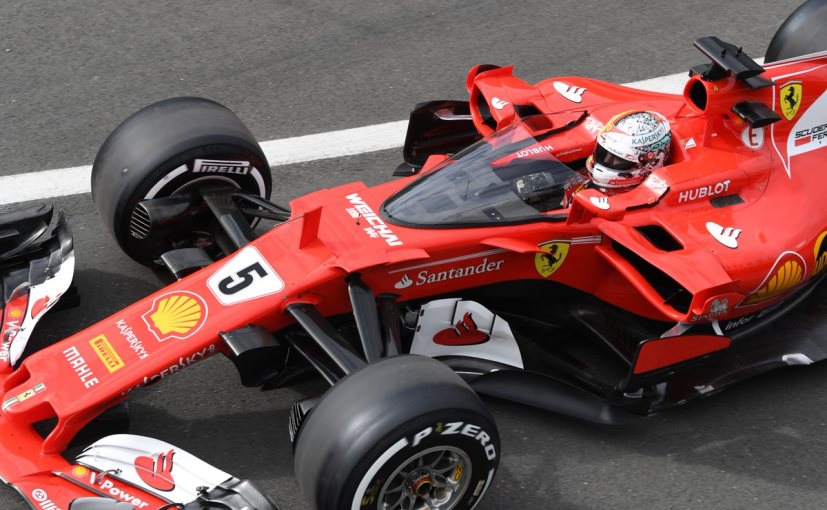
- Ferrari's Sebastian Vettel has tested a concept model, the Shield Concept
Formula 1 cars will see a major overhaul next season as the FIA, the governing body from the sport, has mandated the inclusion of 'Halo' protection system for the driver cockpit starting 2018. The controversial device was in much contention last season with polarised opinions from drivers as well as teams. And that's why the mandate comes as more of shock than a pleasant surprise. The decision to include the Halo device was taken at the FIA meeting yesterday at Geneva where all F1 teams were present for the first time.
A statement issued by the FIA post the meeting read, "Following the unanimous agreement of the Strategy Group, in July 2016, to introduce additional frontal protection for Formula One and the repeated support from the drivers, the FIA confirms the introduction of the Halo for 2018. With the support of the teams, certain features of its design will be further enhanced. Having developed and evaluated a large number of devices over the past five years, it had become clear that the Halo presents the best overall safety performance.
The Halo is a three pronged, wishbone shaped device that's about the height of the driver's head and covers like a windshield. It has been designed to reduce the risk of injury from debris or other objects striking a driver's head and was trialled by all 10 teams at different stages last year.
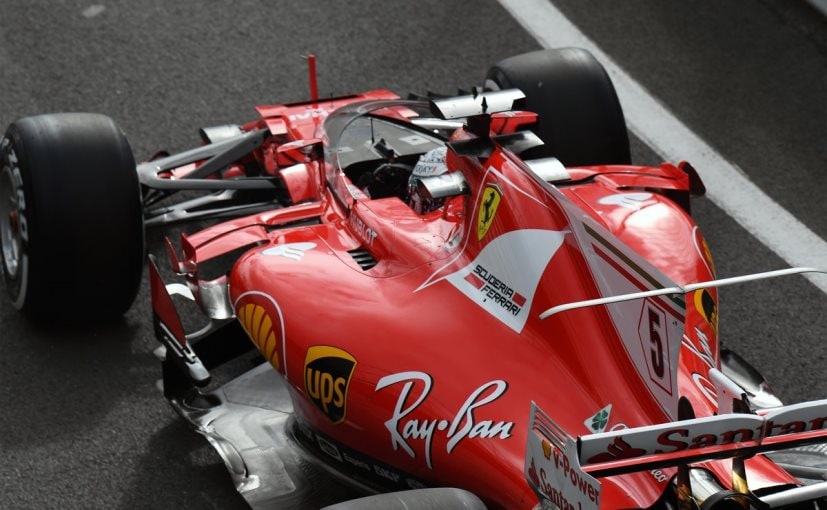
What makes things interesting is the fact that the FIA had announced in April 2017 that it will be concentrating on the 'Shield' device. In fact, the concept was also tested by Sebastian Vettel last week ahead of the British Grand Prix, which the Ferrari driver said left him "dizzy". The transparent cockpit-like device was used for an early trial,l at Silverstone; whereas a full track test was lined up later this year at Monza.
However, not all were convinced with the Halo system, but have agreed to it in the interest of safety. Alexander Wurz, chairman of the Grand Prix Drivers' Association, said: "F1 is a role model for ever-increasing safety without jeopardising performance. While the halo solution might not be the most aesthetically pleasing for everyone, we drivers will nevertheless race and push as hard as we can on track, which is the key for F1 to continue its growth and popularity."
Compared to other concepts, the Halo was found to be the most effective in deflecting a flying tyre at the speeds of 240 kmph, while providing a largely unobstructed view.
The FIA's statement further read, "With the support of the teams, certain features of its design will be further enhanced ahead of its introduction in 2018."
With teams needing to work on the design of the 2018 cars, the governing body to stay safe with the device that currently looks promising.
In addition to the new safety device, the Formula One Strategy Group also discussed other points at the meeting including 2021 power units, cost control, and improving the F1 show for fans.


Latest News


 Jaiveer Mehra | Aug 7, 2026FADA Sales July 2026: Auto Sales Up By Over 25 Per Cent; Passenger Vehicle, Two-Wheelers Report Best-Ever Numbers For The MonthFADA reported sales across all segments stood at a new high for July - a first-ever.1 min read
 car&bike Team | Aug 7, 20262026 Bajaj Pulsar N160: Variants ExplainedBajaj has expanded the Pulsar N160 lineup with two new variants: the N160 S and the top-spec N160 SS.3 mins read
 Abhishek Nigam | Aug 7, 2026Bajaj Pulsar N160 S, N160 SS Launched: Prices Start At Rs 1.34 LakhThe N160 model gets a host of major updates to give it an upper hand amongst the competition2 mins read
 Jaiveer Mehra | Aug 7, 2026New Mercedes-AMG GT 53 4-Door EV Debuts With Dual-Motor AWD, 800 Km RangeNew entry variant to the all-electric AMG GT 4-Door range drops one electric motor and offers a notably higher range than its more powerful siblings.1 min read
 car&bike Team | Aug 6, 2026Ola Electric Shifts To Dealer-Led Retail Model After Five Years Of Company-Owned StoresOla Electric has announced a strategic shift to a dealer-led retail model, while retaining its company-owned outlets as brand experience centres.2 mins read
 car&bike Team | Aug 6, 2026E3 Trion Electric Scooter Launched In India At Rs 1 LakhAvailable in three variants, the scooter's biggest talking point is its AI-backed software ecosystem, which promises to monitor the health of the scooter.3 mins read
 Sarthak Mahajan | Aug 7, 2026Maruti Suzuki Brezza vs Skoda Kylaq vs Hyundai Venue vs Tata Nexon Camo: Manual Turbo-Petrol Engine BattleWe compare the specifications of the Maruti Suzuki Brezza's Boosterjet engine with its rivals to see where it stands.3 mins read
 Bilal Firfiray | Aug 1, 2026Toyota Hilux Review: The InvincibleMarking it as the ninth generation, the Hilux comes with a major cosmetic overhaul. But is it still relevant enough for the current times or is it getting too long in the tooth?5 mins read
 Bilal Firfiray | Jul 30, 2026Kia Syros EV Review: Best EV To Buy Under Rs 20 Lakh?The Kia Syros EV comes into the game with a modern design, spacious cabin, strong performance, decent range and an aggressive pricing. But could it become the new benchmark under Rs 20 lakh?5 mins read
 Jaiveer Mehra | Jul 27, 20262026 Maruti Suzuki Brezza Facelift Review: Bestseller Joins The Turbo ClubWhile Maruti’s facelifts have always tended to bring subtle updates over the outgoing models, the latest Brezza brings some heavy updates under the skin, including a new 6-speed manual gearbox and, for the first time, a turbocharged petrol engine option.1 min read
 Bilal Firfiray | Jul 24, 2026Honda ZR-V Review: Who Is It For?Honda has brought the new ZR-V to India as their current flagship offering. It’s a CBU, it’s a hybrid, and it’s here for a limited few. Who is it for though?1 min read