
Indian Carmakers Seek Extra Year To Meet Fuel Efficiency Rules: Report


Indian automakers are seeking an extra year to meet tighter rules on fuel efficiency, aimed at reducing carbon emissions, as the companies reel from the financial impact of COVID-19, sources told Reuters. The industry body leading the effort, the Society of Indian Automobile Manufacturers (SIAM), was expected to meet the transport minister on Tuesday to seek a one-year delay in complying with the rules, due to take effect from next April, said the sources, who have direct knowledge of the plans.
The grouping is expected to describe how the auto industry plans to adopt clean technologies, said one of the sources, who declined to be identified as they are not authorised to speak to media. SIAM did not respond to a request for comment. The road transport ministry said in a statement that it met officials from SIAM and their proposal was being considered but did not give details.
The corporate average fuel efficiency (CAFE) rules require automakers to cut carbon emissions through the launch of electric cars or vehicles that use alternative fuels. Carmakers have said it would be difficult to make further investments to meet the stricter rules, particularly when a drop in sales as the pandemic slowed demand has dented profits.
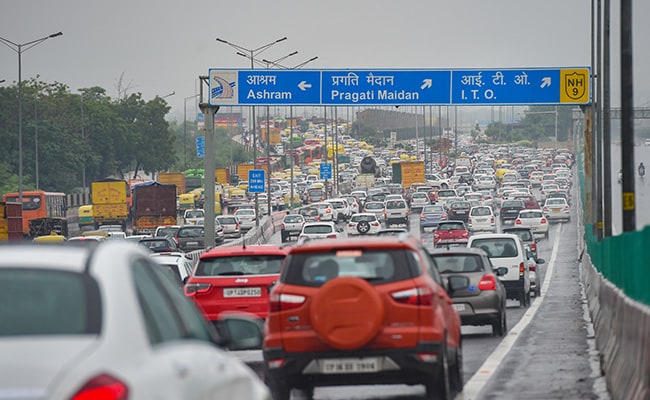
In a second phase starting from April 1, 2022, India has proposed a further cut to 113 grams per km.
But doing so would allow India, the world's fifth-largest car market, to curb pollution, meet its carbon reduction targets under the Paris climate agreement and reduce its fuel import bill. In March, SIAM, whose members include top sellers Maruti Suzuki and Hyundai Motor, had sought a two-year delay.
At the time, a senior government official said an extension was unlikely, but some concessions could be considered if car companies showed serious intent to invest in clean technologies. India introduced a first phase of its CAFE measures in April 2017, giving carmakers until the end of March next year to cut carbon emissions from new cars to 130 grams per km.
In a second phase starting from April 1, 2022, India has proposed a further cut to 113 grams per km. The stricter rules also aim to align Indian regulations for carmakers with global standards. Sales of hybrid and electric vehicle have increased in Europe, for example, where carmakers face heavy penalties if they do not develop low-emission technology. But India has not yet set penalties for companies that fall short of its stricter CAFE norms.
(This story has not been edited by NDTV staff and is auto-generated from a syndicated feed.)
Related News





Latest Cars


Upcoming Cars


Latest News


 car&bike Team | Jun 23, 2026Hero MotoSports Completes 10 Years; Signs 18-Year-Old For Dakar ProgrammeHero MotoCorp marked 10 years of its global rally-raid programme and announced a Dakar talent programme, signing on 18-year-old supercross sensation Shlok Ghorpade.1 min read
 car&bike Team | Jun 23, 2026Citroen Aircross Comfort Edition Launched; Prices Start At Rs. 9.09 LakhThe Citroen Aircross Comfort Edition will be offered in three variants - You, Plus, Plus Turbo 7S - and they are priced between Rs. 9.09 lakh and Rs. 11.99 lakh (ex-showroom).2 mins read
 Jaiveer Mehra | Jun 23, 2026Xiaomi YU7 GT Sets First-Ever Driverless Car Lap Record At NurburgringXiaomi’s performance electric SUV complete a 20.8 km circuit of the Nordschleife in 10:29.483 without a driver behind the wheel.1 min read
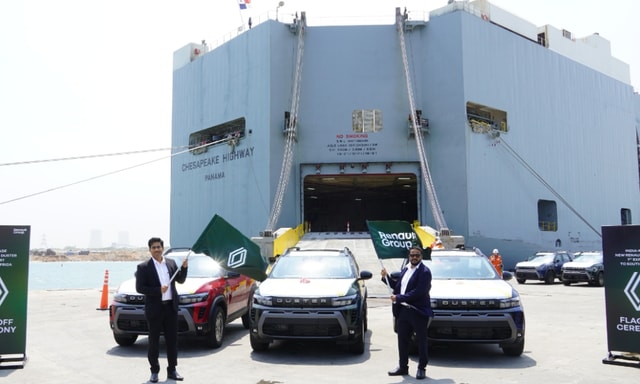 car&bike Team | Jun 22, 2026New Renault Duster Exports Commence From IndiaRenault has begun exports of the all-new Duster from India, with the first shipment of 750 vehicles heading to South Africa.1 min read
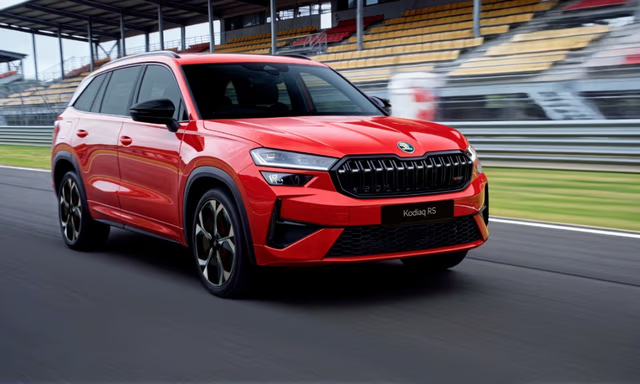 car&bike Team | Jun 22, 2026Skoda Kodiaq RS Bookings Open In India Ahead Of LaunchThe initial allocation is capped at 50 units for India.2 mins read
 Jaiveer Mehra | Jun 21, 2026Aprilia Tuono 457 Special Edition Launched At Rs 3.99 LakhNew Special Edition gets revised graphics, a new Mamba Black colour and updates to the ergonomics1 min read
 Preetam Bora | Jun 15, 20262026 Yezdi Scrambler Review: The Update That Changes EverythingThe Yezdi Scrambler gets a comprehensive update with an updated engine, revised chassis, reduced weight and proper features list. Does it deliver? Here’s our take.10 mins read
 Preetam Bora | Jun 10, 20262026 BMW F 450 GS Review: A True GS - But Should You Buy It?The GS badge on a BMW means something and always has. Can the new made-in-India BMW F 450 GS truly live up to that legacy? We spent a few days getting familiar with the F 450 GS to see if it’s worth a buy.12 mins read
 Jaiveer Mehra | Jun 10, 20262026 Tata Altroz Long-Term Review: Initial Impressions After 45 DaysTata’s premium hatchback brings a lot to the table, but some rough edges are still apparent.4 mins read
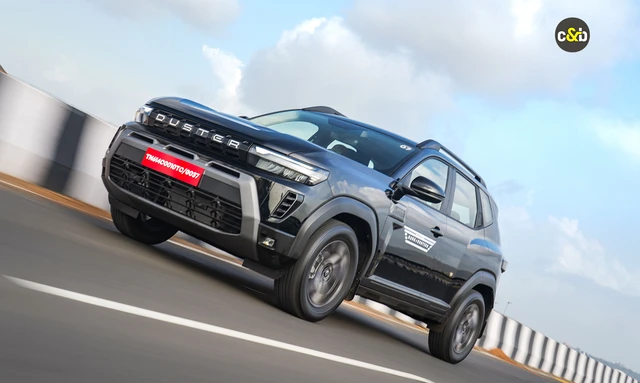 Seshan Vijayraghvan | Jun 9, 2026Renault Duster 1.0-Litre Turbo Review: Small Engine, More Than Enough PerformanceThe Renault Duster's TCe100 engine is the 1.0-litre turbo petrol that makes 99 bhp and 166 Nm of peak torque. And it only comes with a 6-speed manual.6 mins read
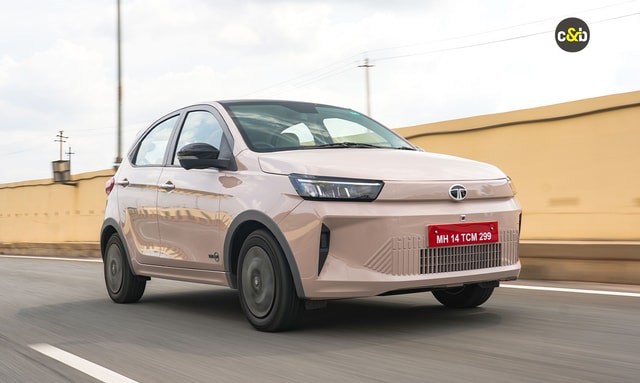 Seshan Vijayraghvan | Jun 8, 20262026 Tata Tiago EV Review: Small EV Gets Big ImprovementsThe 2026 Tata Tiago EV promises a sharper design, segment-first features at sub-Rs. 10 lakh price point, and better real-world range. But does it deliver?1 min read