
What are BS-I, BS-II, BS-III, BS-IV, and BS-VI Emission Norms?


- The Bharat Stage emission regulations are based on European norms
- Emission norms in India for automobiles first came into effect in 1989
- India announced the latest BS-VI in April 2020, with the regulations
There is no denying that cars do radiate considerable levels of noxious gases. To curb car emissions, the Indian government announced its first Bharat Stage regulation in 1989. With the number of cars plying on the road increasing annually, BS-I wasn´t enough to keep pollution levels down. So the government began to upgrade accordingly. After BS-I regulation, the government rolled out BS-II, BS-III, BS-IV, with BS-VI, being the latest.
This article will walk you through all the different Bharat Stage regulations implemented over the years. Let's get started!
What is BS I?
The BS-I regulation in India only allowed a maximum carbon emission of 2.72 g/km and a respirable suspended particulate matter discharge of 0.14. Additionally, a cap of 0.97 g/km on Nitrogen Oxides+ Hydro Carbons release.
Under BSI, carmakers had to re-tune secondary air intake systems, exhaust gas recirculation systems, carburettors and add a tri-metal layer to the system.

Photo Credit: unsplash.com
What is BS II?
Under the Bharat Stage-II, the maximum permissible sulphur content in fuels was restricted to 500 PPM. In terms of emissions, acceptable Carbon Monoxide emissions were 2.2 g/km, respirable suspended particulate matter discharge was 0.08, and 0.05 g/km was the maximum discharge limit for Nitrogen Oxides and Hydro Carbons.
Instead of the carburettor, car makers had to equip the automobiles with a Multi-point Fuel injection system.
What is BS III?
In 2010, the government declared BS-III norms to be mandatory. As per BSIII, permissible levels of Respirable suspended particulate matter discharge is 0.05, Hydro Carbons+Nitrogen Oxide discharge is 0.35 g/km, and 2.3 g/km is the cap for Carbon Monoxide emission.
This new norm also restricted the sulphur content in fuels to 100 PPM. Also, installing a catalytic converter was a part of BSIII to handle Hydro Carbons and Carbon Monoxide.

Photo Credit: unsplash.com
What is BS IV?
Sulphur content dropped by a whopping 50PPM in BS-IV norms. To ensure compliance with BS-IV, manufacturers equipped cars with bigger-sized catalytic converters. To ensure efficient combustion, they also tweaked the ECU. The new regulations also called for modifications in the exhaust and air intake systems.
The maximum Respirable suspended particulate matter discharge allowed was 0.025 and 0.18 g/km for Hydro Carbons+Nitrogen Oxide discharge.
What is BS-VI?
BS-VI is the latest emission norm in India. AS per BS-VI, the sulphur content in fuel has been slashed down by a whopping five times to 10 PPM. It also restricts tailpipe discharge from cars running on petrol.
For diesel models, the peak level of carbon monoxide should not exceed 0.50 g/kg. It also limits the Hydro Carbons+Nitrogen Oxide discharge to 0.15 g/km. As for petrol cars, the Respirable suspended particulate matter maximum discharge level is 0.05.
How Has The Rollout of BS-VI Affected BS-IV Cars?
With the announcement of BS-VI norms in India, the car models running on BS-IV or older fuels had to switch to cleaner fuels. You might already know that the BS-VI fuel's sulphur content is much lower than its predecessors. As a result, implementing BS-VI fuel has curbed harmful emissions from automobiles.
Coming to the effect of BS-VI on BS-IV cars, some did some minor tweaks eventually. Since sulphur acts as a lubricant for diesel engines, your vehicle might require routine maintenance to prevent wear and tear.

Photo Credit: unsplash.com
Car owners must learn about the Bharat Stage emission standards. Hopefully, the updated emission regulations will give Indian automakers an environment-friendly approach.
Related News


Latest Cars


Upcoming Cars


Latest News


 car&bike Team | Aug 5, 2026River Mobility Raises $120 Million, Plots Manufacturing ExpansionThe funding round saw participation from existing investors, including Yamaha Motor Corporation, among others.2 mins read
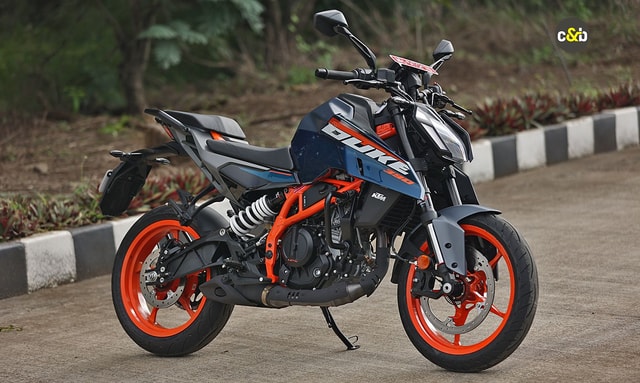 car&bike Team | Aug 5, 2026KTM 390 Duke Prices Hiked By Up To Rs 7,000390 Duke R is dearer by Rs 6,000; standard 390 Duke up by Rs 7,000.1 min read
 Seshan Vijayraghvan | Aug 5, 2026BMW X1 Long Wheelbase Teased; India Launch On August 21The BMW X1 LWB will be launched in India on August 21, 20261 min read
 Amaan Ahmed | Aug 5, 2026Ather Konarc Is The Name Of Production-Spec EL01 E-ScooterThe Konarc will be the most affordable Ather model yet, and also the first Ather to feature a 14-inch front wheel.1 min read
 Jaiveer Mehra | Aug 5, 2026Range Rover SV Ultra Launched At Rs 3.80 CroreRange-topping Range Rover brings JLR’s new SV Electrostatic sound system to India.1 min read
 car&bike Team | Aug 5, 2026Supreme Court Mandates Extension Of Third-Party Insurance For New Cars And Two-WheelersThird-party insurance for newly registered cars has been extended to four years, while new two-wheelers will now require six years of coverage.1 min read
 Bilal Firfiray | Aug 1, 2026Toyota Hilux Review: The InvincibleMarking it as the ninth generation, the Hilux comes with a major cosmetic overhaul. But is it still relevant enough for the current times or is it getting too long in the tooth?5 mins read
 Bilal Firfiray | Jul 30, 2026Kia Syros EV Review: Best EV To Buy Under Rs 20 Lakh?The Kia Syros EV comes into the game with a modern design, spacious cabin, strong performance, decent range and an aggressive pricing. But could it become the new benchmark under Rs 20 lakh?5 mins read
 Jaiveer Mehra | Jul 27, 20262026 Maruti Suzuki Brezza Facelift Review: Bestseller Joins The Turbo ClubWhile Maruti’s facelifts have always tended to bring subtle updates over the outgoing models, the latest Brezza brings some heavy updates under the skin, including a new 6-speed manual gearbox and, for the first time, a turbocharged petrol engine option.1 min read
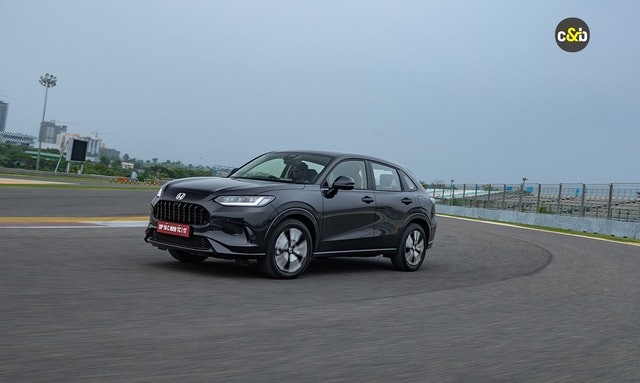 Bilal Firfiray | Jul 24, 2026Honda ZR-V Review: Who Is It For?Honda has brought the new ZR-V to India as their current flagship offering. It’s a CBU, it’s a hybrid, and it’s here for a limited few. Who is it for though?1 min read
 Girish Karkera | Jul 29, 2026Mercedes-AMG E53 4MATIC+ PHEV First Drive Review: Just What The Doctor OrderedThere are luxury cars and there are high-performance cars. But what if you want both for the price of one? Mercedes-Benz has a recommendation that promises to tread a fine line between the two – the second generation E53 with a twist.7 mins read