
Tech Alliances Firm Up In The Self-Driving Car Wars

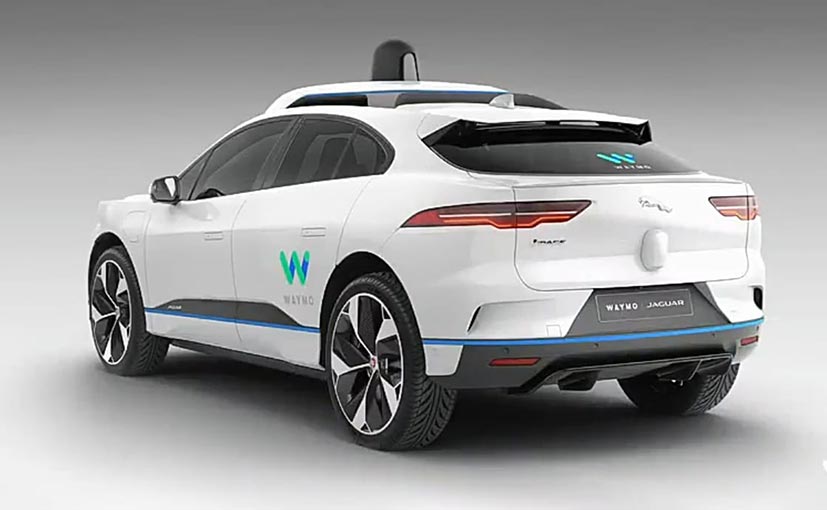
Major automakers like General Motors Co, Ford Motor Co and Volvo Cars deepened ties with key technology partners this week to gird for the fight against electric car challenger Tesla Inc and Apple Inc as it revs up to enter the market. Three chip firms - Intel Corp's Mobileye, Qualcomm Inc and Nvidia Corp - have emerged from a raft of announcements at the Consumer Electronics Show in Las Vegas as the leaders in locking down the brains of self-driving cars for the next decade. The deals involve consolidating scores of older, slower chips into more powerful centralized computers. But to win them, the chip firms have had to consent to letting automakers control key parts of the technology.
Reuters has previously reported that Apple plans an electric car. Bloomberg reported last year that the iPhone maker is aiming for full self-driving capabilities as early as 2025. For automakers facing Apple and Tesla, the stakes are high. In addition to electrifying their models, automakers are essentially designing computers with increasing self-driving capabilities. That means a big opportunity for automakers to make money off software and services in cars long after vehicles roll off a dealer's lot, but only if they can keep the customer relationships and data for themselves, the way that Tesla and Apple do.

Qualcomm Inc spent $4.5 billion last year to purchase Veoneer Inc to round out all the pieces of software needed to complement its self-driving car chips
Automakers "that haven't been the pioneers are finally realizing they're going to be left in the dust if they don't change their approach," said Danny Shapiro, vice president, automotive for Nvidia, a maker of high-powered chips. Nvidia this week announced deals to supply the electronic brains for future models from several Chinese electric vehicle startups, and is working with other automakers including Mercedes, Hyundai Motor Co, Volvo and Audi .
Control of technology and data are areas of tension between automakers and technology companies, Shapiro said. "Control and customization, and who owns the data?" The answer is complex because of the staggering amount of technology required to make cars drive themselves. These include computer vision algorithms to help cameras recognize pedestrians, sprawling high-definition maps of the world's roads, and "drive policy" software to make millisecond decisions about how the car should behave when confronted with the unexpected.
For chipmakers, this means they need to have every aspect of the technology ready, but be willing to let customers pick and choose. Qualcomm Inc, for example, spent $4.5 billion last year to purchase Veoneer Inc to round out all the pieces of software needed to complement its self-driving car chips. But after winning its first major self-driving chip contract with GM this week, those software assets will not be included because GM has its own.

Mobileye used to deliver its camera, chip and self-driving software as an all-in-one product
"Our software stack is all internally developed. So we're not taking their pieces," said Jason Ditman, chief engineer for GM's forthcoming "Ultra Cruise" hands-free driving product. But for other carmakers, Qualcomm needs to have all the pieces of a self-driving system ready, said Nakul Duggal, senior vice president and general manager of automotive at the chip firm. "Different automakers find themselves at different points of readiness," he said. "What is critical for the automaker is that they have to be able to build a relationship with the customer that they're trying to acquire."
A similar dynamic is at play in Mobileye's relationship with Ford, which was deepened this week. Mobileye used to deliver its camera, chip and self-driving software as an all-in-one product. Now Mobileye will start separating out some of its system's functions and allowing Ford to build its own technology on top of them. "We provide all the outputs to Ford, and they'll run their own algorithms on top of our outputs," Mobileye Chief Executive Amnon Shashua told Reuters.
The chip companies have little choice but to be more flexible as they face significant competitors of their own. Automakers had relied on three main suppliers for the simpler semiconductors that controlled combustion engines - Infineon, Renesas and NXP, said Phil Amsrud, a senior principal analyst with IHS Markit.
But the market of chip firms supplying high-powered computing to vehicle makers is comparatively crowded, including Chinese companies such as Huawei Technologies Co Ltd and computer vision company Ambarella Inc moving into the auto sector.
"We're at a point where we might be getting too many suppliers," Amsrud said. "If you look at automotive traditionally there's never been more than a handful."
Related News


Latest Cars


Upcoming Cars


Latest News


 Seshan Vijayraghvan | Jul 29, 2026Kia Sorento India Arrival Confirmed With New Teaser: Launch This Festive SeasonThe Kia Sorento has already been spotted testing in India, and it's expected to arrive this festive season.1 min read
 car&bike Team | Jul 29, 2026Tata Punch EV Facelift Gets 5 Stars From Bharat NCAPThe electric micro SUV scored 31.09 out of 32 for Adult Occupant Protection and 45 out of 49 for Child Occupant Protection.2 mins read
 Jaiveer Mehra | Jul 29, 2026Audi’s GLS-Rivalling Q9 SUV Unveiled With 6- And 8-Cylinder EnginesAudi’s first full-size SUV packs in the latest tech and will go on sale with either petrol or diesel engine options depending on the market.1 min read
 car&bike Team | Jul 29, 2026Ather Begins Pothole Alerts Rollout For Gen 2 Electric ScootersThrough the dashboard, the new feature notifies riders about poor road conditions in advance.1 min read
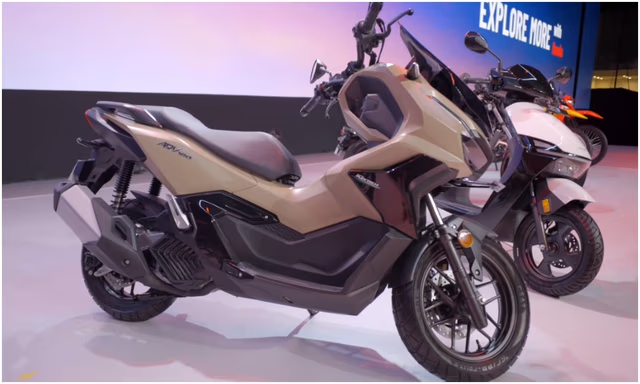 Amaan Ahmed | Jul 29, 2026Honda ADV 160 Coming To Both RedWing And BigWing DealershipsDespite being a premium product, Honda's biggest scooter for India till date will also be sold via its more widespread RedWing network, confirmed HMSI sales director Mutsuo Usui.3 mins read
 car&bike Team | Jul 29, 2026New Toyota Hilux: Variants, Features, Prices ExplainedThe 2026 Hilux is offered in two trim levels: GX and VX, and in both 4x2 and 4x4 configurations. Here is what each variant has to offer.3 mins read
 Jaiveer Mehra | Jul 27, 20262026 Maruti Suzuki Brezza Facelift Review: Bestseller Joins The Turbo ClubWhile Maruti’s facelifts have always tended to bring subtle updates over the outgoing models, the latest Brezza brings some heavy updates under the skin, including a new 6-speed manual gearbox and, for the first time, a turbocharged petrol engine option.1 min read
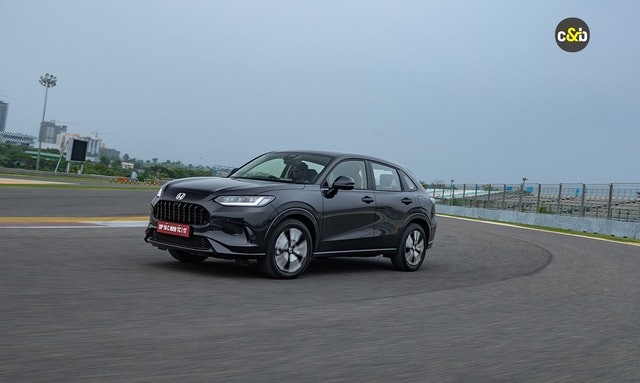 Bilal Firfiray | Jul 24, 2026Honda ZR-V Review: Who Is It For?Honda has brought the new ZR-V to India as their current flagship offering. It’s a CBU, it’s a hybrid, and it’s here for a limited few. Who is it for though?1 min read
 Girish Karkera | Jul 29, 2026Mercedes-AMG E53 4MATIC+ PHEV First Drive Review: Just What The Doctor OrderedThere are luxury cars and there are high-performance cars. But what if you want both for the price of one? Mercedes-Benz has a recommendation that promises to tread a fine line between the two – the second generation E53 with a twist.7 mins read
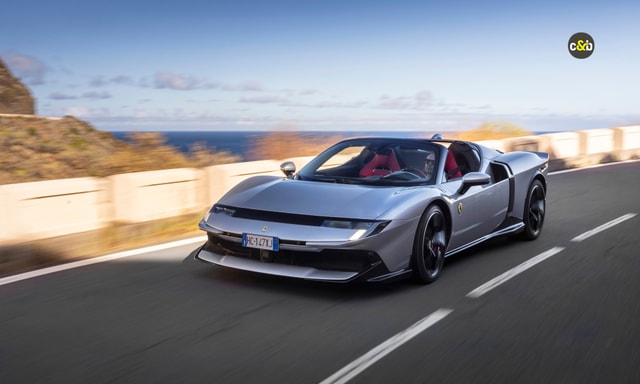 Shams Raza Naqvi | Jul 15, 2026Ferrari 849 Testarossa Spider Driven: Rs. 11.25 Crore Meets 1,000 bhpWe got behind the wheel of the most powerful convertible from Ferrari. What makes the 849 Testarossa Spider Special? We tell you.1 min read
 Bilal Firfiray | Jul 12, 2026Tata Sierra EV Review: Reborn In The Electric AgeThe Tata Sierra EV isn’t drastically different from its ICE counterpart when it comes to design. But being the seventh electric offering from the Indian brand, it has gotten a few things right, and very few things wrong. But is it a compelling package to buy?5 mins read