
Drum Brakes vs Disc Brakes: How Different Are The Two And Which Is Better For Cars?
Brakes are among the most critical safety systems in a car, yet they are often one of the least understood. Most buyers focus on engines, mileage and features, while braking hardware is usually buried deep in the specification sheet of a vehicle. However, whether a car uses drum or disc brakes – and where – has a direct impact on safety, maintenance costs, and driving confidence.
In the Indian car market, both drum and disc brakes continue to coexist, each serving a specific purpose depending on the vehicle type, price point and intended usage. Here’s a detailed breakdown of what drum and disc brakes are, how they work, and their pros and cons, keeping cars in mind:
What Are Drum Brakes?

Image credit: Akebono Brakes
Drum brakes are one of the oldest braking systems used in cars and are still widely found today, especially on the rear wheels of mass-market vehicles.
How Do They Work?
A drum brake consists of a brake drum attached to the wheel, brake shoes inside the drum and a wheel cylinder that pushes the shoes outward. When the brake pedal is pressed, hydraulic pressure forces the brake shoes to expand outward and press against the inner surface of the rotating drum. This friction slows the wheel and brings the car to a stop.
Where Drum Brakes Are Used In Cars Today
In India, drum brakes are commonly found on the rear wheels of entry-level hatchbacks and compact sedans, on budget compact SUVs, and in cars where cost efficiency and low maintenance are prioritised over outright braking performance.
What Are Disc Brakes?

Disc brakes are more modern and are now standard on the front wheels of almost every car sold in India, regardless of its price.
How Disc Brakes Work
A disc brake consists of a brake disc (rotor) attached to the wheel, a brake caliper, and brake pads inside the caliper. When you press the brake pedal, hydraulic pressure forces the brake pads to clamp down on the spinning disc. The friction generated slows the wheel quickly and efficiently.
Their Application
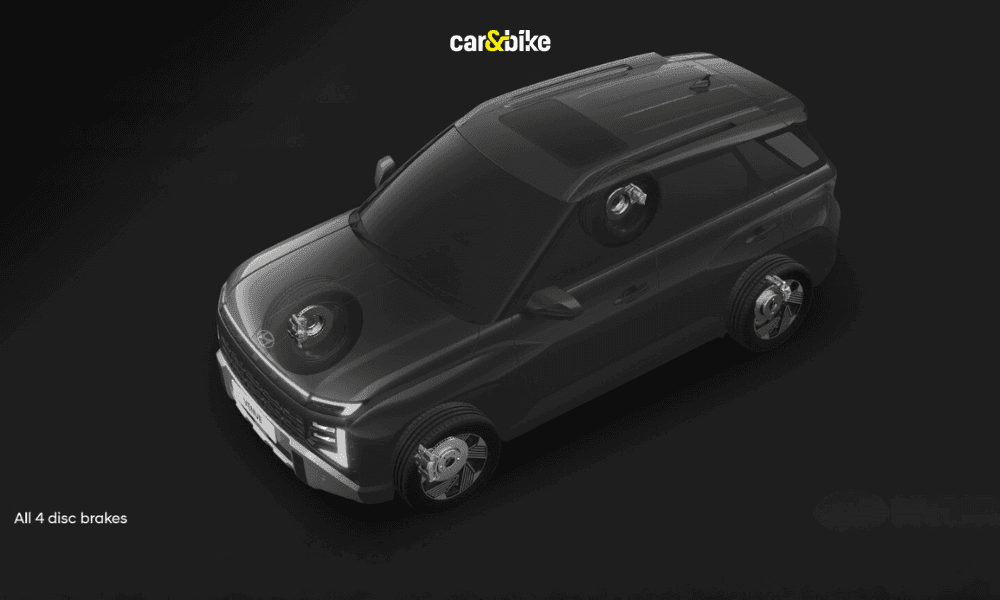
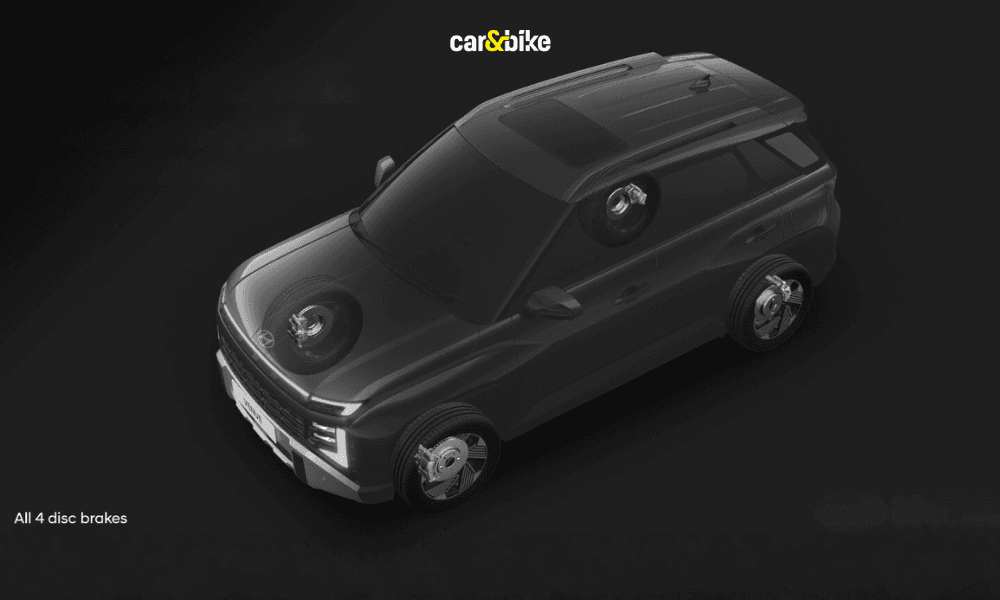
In the Indian market, disc brakes are used on the front wheels of all cars and on all four wheels in higher-end variants, premium cars, SUVs, and performance-oriented vehicles. Some cars now offer front discs with rear disc setups even in mid-range segments.
Differences Between Drum And Disc Brakes In Cars
| Drum Brakes | Disc Brakes |
|
|
|
|
|
|
|
|
Pros Of Drum Brakes
- Lower manufacturing and replacement cost: Drum brakes are cheaper to produce, which helps manufacturers keep entry-level car prices in check. For owners, replacement parts like brake shoes are also more affordable.
- Long service intervals: In typical city driving, rear drum brakes experience less load and can last significantly longer before needing replacement.
- Better protection from dust and debris: The enclosed design helps shield braking components from dirt, stones and road grime, which is useful on rough or poorly surfaced roads.
- Stable handbrake performance: Drum brakes integrate well with mechanical handbrakes, offering reliable holding power on inclines.
Cons Of Drum Brakes
- Weaker braking under heavy load: Drum brakes struggle during hard or repeated braking, especially at highway speeds or on downhill sections.
- Poor heat dissipation: Heat buildup inside the drum can lead to brake fade, reducing stopping power during prolonged use.
- Reduced performance in wet conditions: Water trapped inside the drum can temporarily compromise braking effectiveness.
- More complex servicing: Internal components are harder to access, making inspections and repairs more time-consuming.
Pros Of Disc Brakes
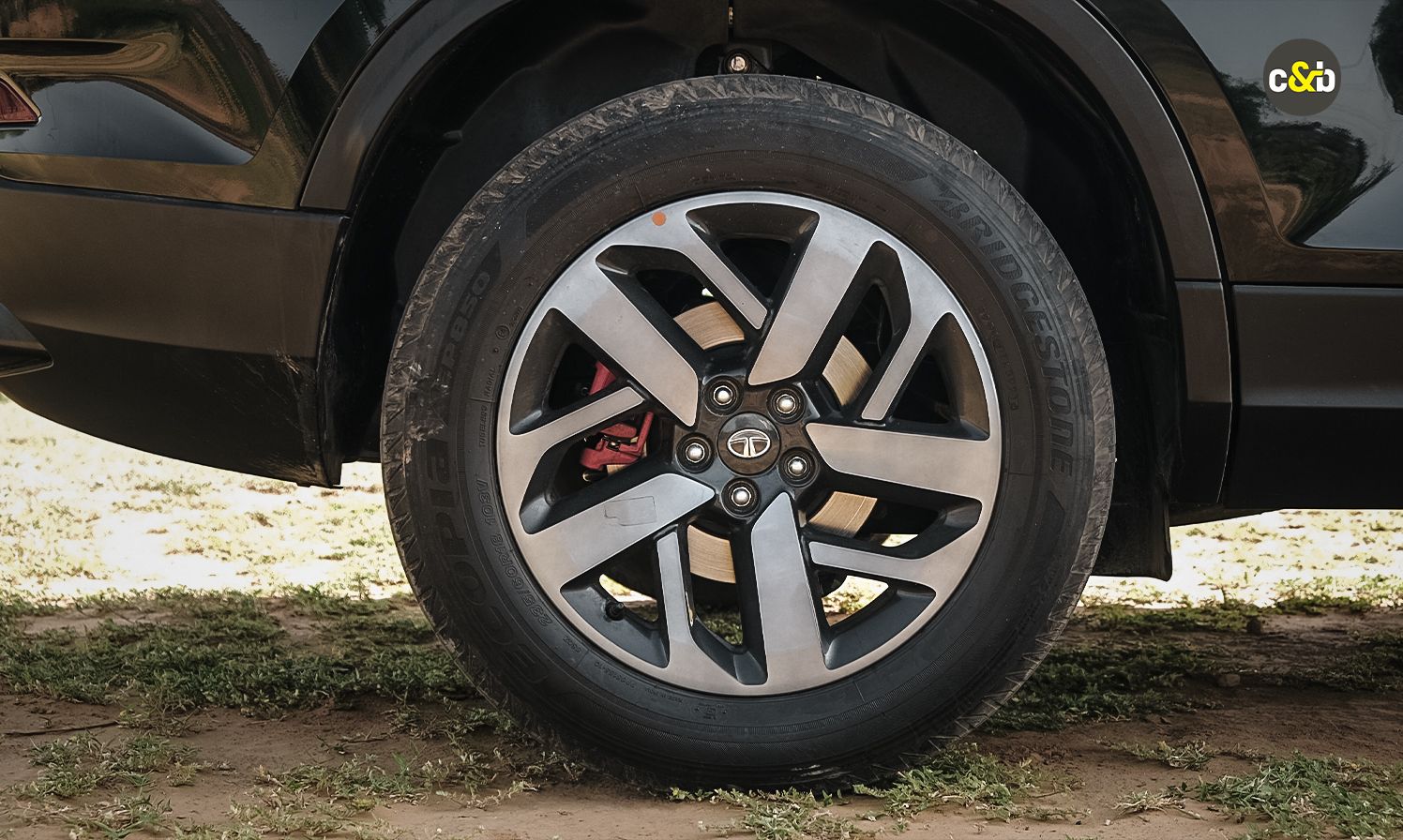
- Stronger and more consistent braking: Disc brakes provide better bite and predictable stopping power, especially at higher speeds.
- Superior heat management: The exposed disc cools faster, reducing the risk of brake fade during aggressive or repeated braking.
- Better performance in rain and waterlogged roads: Water is quickly dispersed from the disc surface, restoring braking efficiency faster.
- Easier inspection and servicing: Brake pad wear can be visually checked, and replacements are quicker compared to drum brakes.
Cons Of Disc Brakes
- Higher replacement cost: Brake pads and discs are more expensive than drum brake components.
- Faster wear rates: Disc brake pads tend to wear out quicker, particularly in stop-and-go traffic.
- Greater exposure to dirt: Open design makes discs more susceptible to dust and surface rust when parked for long periods.
- Marginal real-world benefit at the rear: Rear disc brakes offer limited gains in everyday city driving compared to their cost.


Latest News


 car&bike Team | Oct 20, 2026Hyundai Bayon Rear Seat, Panoramic Sunroof Revealed In New ImageWith over 200 mm of added length, the Bayon is likely to offer better rear seat space than the smaller and more affordable Venue subcompact SUV.1 min read
 car&bike Team | Oct 20, 2026Hero Xtreme 250R Gets Frequency Selective Damping (FSD): What is It?The 2027 Hero Xtreme 250R boasts of segment-first Frequency Selective Damping, or FSD. What is FSD, and how does it work? Here’s a quick explainer.1 min read
 Sarthak Mahajan | Oct 20, 2026Renault Duster Hybrid vs Maruti Suzuki Grand Vitara Hybrid vs Toyota Urban Cruiser Hyryder Hybrid: Specifications ComparedThe Renault Duster Hybrid claims a fuel efficiency of 29km/l, the highest among the three SUVs.5 mins read
 car&bike Team | Oct 20, 2026Updated Hero Xtreme 250R: What’s New?The Hero Xtreme 250R gets a thorough update with a price tag of Rs. 1.98 lakh (Ex-showroom). Here’s a look at all the updates.1 min read
 car&bike Team | Oct 20, 2026Axor Agera Full-Face Helmet LaunchedPriced under Rs. 10,000, the new helmet features an aerodynamic spoiler, integrated rear exhaust vent and a range of safety-focused features.1 min read
 car&bike Team | Oct 19, 20262027 Kawasaki Z1100 Launched In India At Rs 12.79 LakhThe new flagship naturally aspirated Supernaked motorcycle gets a 1,099cc inline-four engine, a six-axis IMU and a comprehensive suite of electronic rider aids.1 min read