
Future Volvo Cars To Run On Volvo Operating System


Volvo Cars will take software development in-house as a car's appeal increasingly becomes more defined by software-driven functions and features, rather than traditional automotive attributes. The next generation of pure electric Volvo models, including the company's first SUV on a completely new electric-only technology base, will run on Volvo Cars' own operating system (OS), called VolvoCars.OS, for faster and more flexible development. Coupled with more frequent over-the-air updates to customer cars through their lifetime, the company's aim is to make Volvo cars better every day.
VolvoCars.OS will act as an umbrella system for electric Volvo cars. It incorporates the company's various operating systems across the car and the cloud, creating one coherent software OS environment. The underlying operating systems include Android Automotive OS, QNX, AUTOSAR and Linux.

The underlying operating systems include Android Automotive OS, QNX, AUTOSAR and Linux.
Through a variety of application programming interfaces (APIs), including the previously announced Extended Vehicle API, the VolvoCars.OS gives developers access to in-car features such as vehicle sensor data, user interfaces and cloud-based features such as fleet data, subject to customer consent. This allows developers to create new services and applications for Volvo cars.
Henrik Green, chief technology officer said,"Just like on your smartphone or computer, new software and features can be rolled out swiftly through over-the-air updates, making your Volvo better and even more enjoyable over time."
To truly benefit from developing software in-house, Volvo Cars is also centralising computing inside its fully electric cars into a core system, removing a lot of complexity. Rather than relying on multiple electronic control units around the car that control individual features and systems, an increasing amount of in-house developed software will run in a powerful core computing system in the car.

The core computing system, which will first be introduced on a new Volvo model set to be revealed in 2022, is made up of three main computers. These support each other in operating vision processing and artificial intelligence, general computing and infotainment respectively. The shift to centralised computing also allows Volvo Cars to gradually separate hardware from software. This means the company can introduce more frequent hardware cycles, so that new Volvo models can be equipped with the latest available hardware.
Volvo Cars is making the shift to in-house development and central computing working together with leading technology firms. These include NVIDIA, with whom the company is working with on the core systems, and Google, its co-development partner for its infotainment systems.
Volvo Cars' successful collaboration with technology leaders to give its customers the best possible user experience is also a driving factor behind its decision to open up its VolvoCars.OS to third-party innovation through open APIs.
Related News


Popular Volvo Models


Latest Cars


Upcoming Cars


Latest News


 Bilal Firfiray | Jul 27, 2026BMW X5 And iX5 Long Wheelbase Unveiled With Extra Rear Leg RoomBMW has taken the wraps off the long-wheelbase body style of the new-gen X5, and its all-electric iX5 avatar is exclusively for the Chinese market. Both are Neue Klasse with up to 1,000km of claimed range.2 mins read
 car&bike Team | Jul 25, 2026Jeep Meridian 85th Anniversary Edition Launched At Rs 36.05 LakhLimited to 85 units, the special edition gets cosmetic changes and also features the CARA AI voice assistant.1 min read
 car&bike Team | Jul 25, 2026River Indie Electric Scooter Crosses 50,000 Units Production MilestoneThe milestone comes less than three years after the first unit rolled out of the company's Hoskote manufacturing facility.2 mins read
 car&bike Team | Jul 25, 20262026 Maruti Brezza Facelift Fuel Efficiency Figures RevealedThe updated model returns up to 26.90 km/kg in CNG guise, while the newly introduced turbo-petrol delivers a claimed 20.47 kmpl.2 mins read
 Jafar Rizvi | Jul 25, 2026Honda ZR-V Hybrid SUV Launched In India At Rs 47.99 LakhThe ZR-V is Honda’s first hybrid SUV for India and arrives as a CBU.1 min read
 Jafar Rizvi | Jul 24, 20262026 Maruti Brezza Facelift: Variants, Features, Engine Options ExplainedThe 2026 Maruti Suzuki Brezza is offered in four trim levels: LXi, VXi, ZXi and ZXi+ and with two engine options.5 mins read
 Jaiveer Mehra | Jul 27, 20262026 Maruti Suzuki Brezza Facelift Review: Bestseller Joins The Turbo ClubWhile Maruti’s facelifts have always tended to bring subtle updates over the outgoing models, the latest Brezza brings some heavy updates under the skin, including a new 6-speed manual gearbox and, for the first time, a turbocharged petrol engine option.1 min read
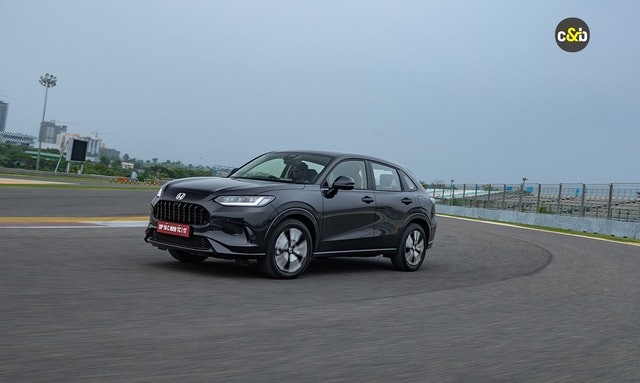 Bilal Firfiray | Jul 24, 2026Honda ZR-V Review: Who Is It For?Honda has brought the new ZR-V to India as their current flagship offering. It’s a CBU, it’s a hybrid, and it’s here for a limited few. Who is it for though?1 min read
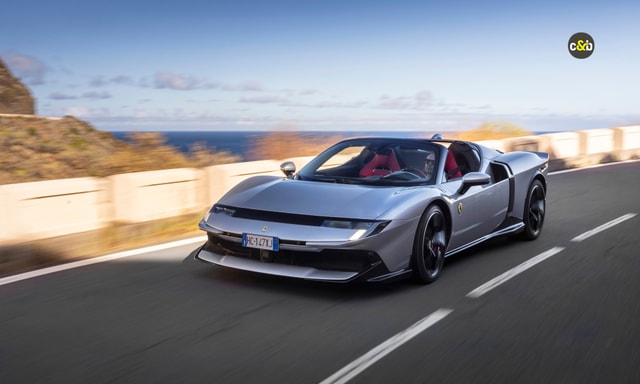 Shams Raza Naqvi | Jul 15, 2026Ferrari 849 Testarossa Spider Driven: Rs. 11.25 Crore Meets 1,000 bhpWe got behind the wheel of the most powerful convertible from Ferrari. What makes the 849 Testarossa Spider Special? We tell you.1 min read
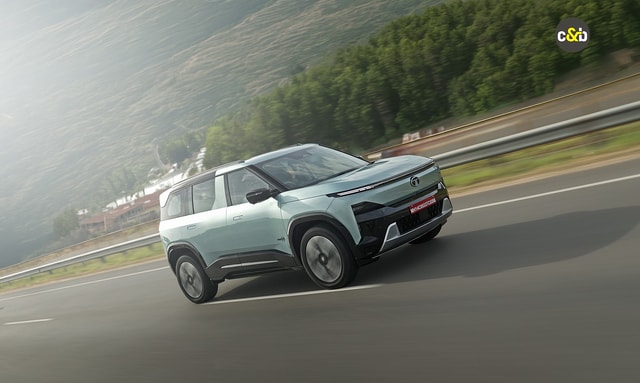 Bilal Firfiray | Jul 12, 2026Tata Sierra EV Review: Reborn In The Electric AgeThe Tata Sierra EV isn’t drastically different from its ICE counterpart when it comes to design. But being the seventh electric offering from the Indian brand, it has gotten a few things right, and very few things wrong. But is it a compelling package to buy?5 mins read
 Jafar Rizvi | Jul 13, 2026TVS Orbiter Long-Term Review (Report 1): Settling In Takes TimeFirst impressions weren't the strongest, but the Orbiter has made a mark in its first month in the car&bike garage.5 mins read