
Govt Plans to Make India 100% Electric Vehicle Equipped Nation by 2030

car&bike Team
1 min read
Mar 27, 2016, 05:20 PM
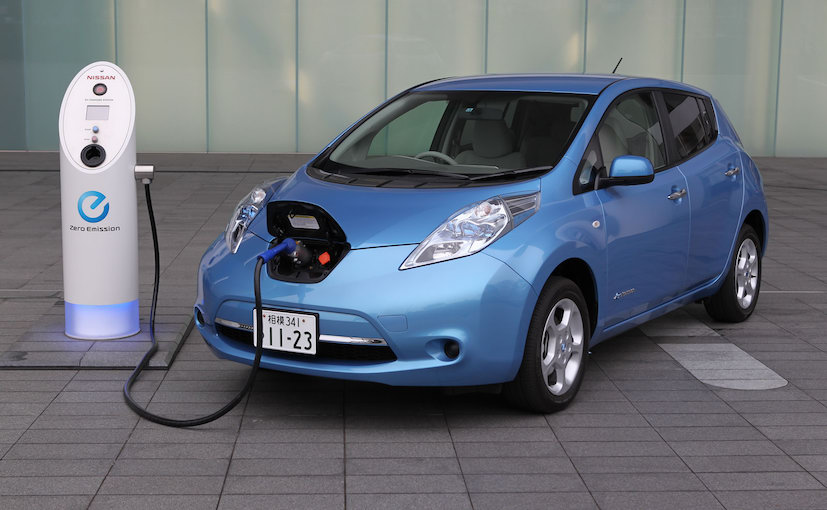
The success for electric cars in India has been largely elusive due to the lack of infrastructure and the high cost of acquisition, which has made these cars a rare sight on our roads. However, you might soon be able to get an electric car without burning a hole in your pocket. In a recent statement, Minister of Power, Coal, New and Renewable Energy, Piyush Goyal said that the Indian government is working on a scheme to provide electric cars on a zero down payment option.
The government is aiming to make the country, a 100 per cent electric vehicle nation by 2030. Elaborating on the proposal, Piyush Goyal stated that the government is working on the viability of providing an electric car for zero down payment. While the acquisition cost will be free, people can pay the installments out of the savings on petroleum products. The scheme will be self financing as per the minister and will not need any support from the government or any other kind of investment from other people. The aim is to make India, the first country of its size to have 100 per cent electric cars by 2030.
Also Read: Review: Mahindra e20
Quite an ambitious target, the government is optimistic about achieving the large figure but also acknowledges that innovation and scale will be important elements in making this proposal a reality. Not to forget, the move towards electric and hybrid vehicles will also help reduce fossil fuel dependency, which will help decline oil imports, leading to extensive monetary savings. As a result, the ministry is also working to see if the savings can be monetized to provide cheaper electricity for charging these cars.
The move will trigger a host of manufacturers to introduce electric cars in the country. Given the high costs and almost negligible demand at present, only a handful of electric and hybrid cars are sold in the country. The proposed scheme could see car makers like Nissan, Toyota among others introduce their respective electric offerings. Last year, the government introduced its Faster Adoption and Manufacturing of Electric vehicles (FAME) initiative, in order to provide subsidies on electric and hybrid cars, which encouraged even mass market players like Maruti Suzuki to introduce hybrid technology on their vehicles.
The growing inclination towards environment-friendly fuels has also triggered several domestic start-ups to manufacture electric vehicles, the latest of the lot being Ather Energy. However, it would be too early to comment on how quickly will the government push the proposed scheme into place. A meeting in the first week of April is said to be held on the matter, in order to see if the ambitious scheme can, in fact, be pushed into place.
The government is aiming to make the country, a 100 per cent electric vehicle nation by 2030. Elaborating on the proposal, Piyush Goyal stated that the government is working on the viability of providing an electric car for zero down payment. While the acquisition cost will be free, people can pay the installments out of the savings on petroleum products. The scheme will be self financing as per the minister and will not need any support from the government or any other kind of investment from other people. The aim is to make India, the first country of its size to have 100 per cent electric cars by 2030.
Also Read: Review: Mahindra e20
Quite an ambitious target, the government is optimistic about achieving the large figure but also acknowledges that innovation and scale will be important elements in making this proposal a reality. Not to forget, the move towards electric and hybrid vehicles will also help reduce fossil fuel dependency, which will help decline oil imports, leading to extensive monetary savings. As a result, the ministry is also working to see if the savings can be monetized to provide cheaper electricity for charging these cars.
The move will trigger a host of manufacturers to introduce electric cars in the country. Given the high costs and almost negligible demand at present, only a handful of electric and hybrid cars are sold in the country. The proposed scheme could see car makers like Nissan, Toyota among others introduce their respective electric offerings. Last year, the government introduced its Faster Adoption and Manufacturing of Electric vehicles (FAME) initiative, in order to provide subsidies on electric and hybrid cars, which encouraged even mass market players like Maruti Suzuki to introduce hybrid technology on their vehicles.
The growing inclination towards environment-friendly fuels has also triggered several domestic start-ups to manufacture electric vehicles, the latest of the lot being Ather Energy. However, it would be too early to comment on how quickly will the government push the proposed scheme into place. A meeting in the first week of April is said to be held on the matter, in order to see if the ambitious scheme can, in fact, be pushed into place.


Latest News


 car&bike Team | Aug 5, 2026River Mobility Raises $120 Million, Plots Manufacturing ExpansionThe funding round saw participation from existing investors, including Yamaha Motor Corporation, among others.2 mins read
 car&bike Team | Aug 5, 2026KTM 390 Duke Prices Hiked By Up To Rs 7,000390 Duke R is dearer by Rs 6,000; standard 390 Duke up by Rs 7,000.1 min read
 Seshan Vijayraghvan | Aug 5, 2026BMW X1 Long Wheelbase Teased; India Launch On August 21The BMW X1 LWB will be launched in India on August 21, 20261 min read
 Amaan Ahmed | Aug 5, 2026Ather Konarc Is The Name Of Production-Spec EL01 E-ScooterThe Konarc will be the most affordable Ather model yet, and also the first Ather to feature a 14-inch front wheel.1 min read
 Jaiveer Mehra | Aug 5, 2026Range Rover SV Ultra Launched At Rs 3.80 CroreRange-topping Range Rover brings JLR’s new SV Electrostatic sound system to India.1 min read
 car&bike Team | Aug 5, 2026Supreme Court Mandates Extension Of Third-Party Insurance For New Cars And Two-WheelersThird-party insurance for newly registered cars has been extended to four years, while new two-wheelers will now require six years of coverage.1 min read
 Bilal Firfiray | Aug 1, 2026Toyota Hilux Review: The InvincibleMarking it as the ninth generation, the Hilux comes with a major cosmetic overhaul. But is it still relevant enough for the current times or is it getting too long in the tooth?5 mins read
 Bilal Firfiray | Jul 30, 2026Kia Syros EV Review: Best EV To Buy Under Rs 20 Lakh?The Kia Syros EV comes into the game with a modern design, spacious cabin, strong performance, decent range and an aggressive pricing. But could it become the new benchmark under Rs 20 lakh?5 mins read
 Jaiveer Mehra | Jul 27, 20262026 Maruti Suzuki Brezza Facelift Review: Bestseller Joins The Turbo ClubWhile Maruti’s facelifts have always tended to bring subtle updates over the outgoing models, the latest Brezza brings some heavy updates under the skin, including a new 6-speed manual gearbox and, for the first time, a turbocharged petrol engine option.1 min read
 Bilal Firfiray | Jul 24, 2026Honda ZR-V Review: Who Is It For?Honda has brought the new ZR-V to India as their current flagship offering. It’s a CBU, it’s a hybrid, and it’s here for a limited few. Who is it for though?1 min read
 Girish Karkera | Jul 29, 2026Mercedes-AMG E53 4MATIC+ PHEV First Drive Review: Just What The Doctor OrderedThere are luxury cars and there are high-performance cars. But what if you want both for the price of one? Mercedes-Benz has a recommendation that promises to tread a fine line between the two – the second generation E53 with a twist.7 mins read