
Harley-Davidson Drops V-Rod From 2018 Line-Up

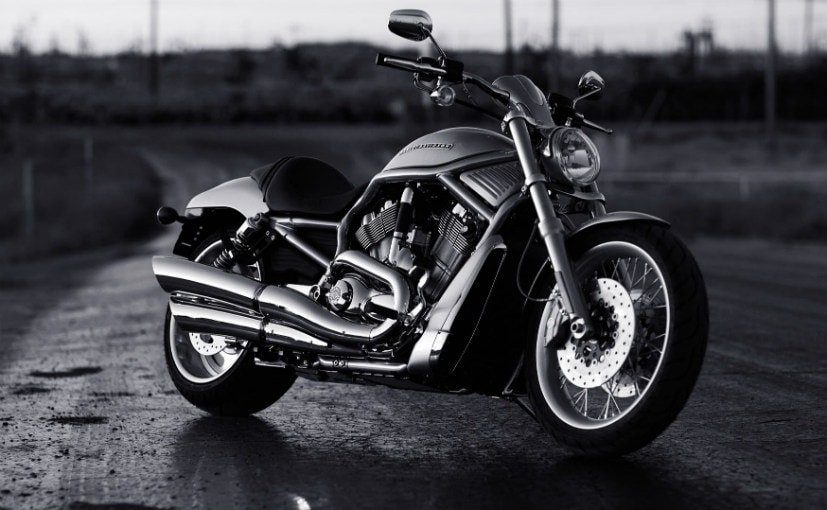
- The Harley-Davidson V-Rod was first introduced in 2001
- The V-Rod has a liquid-cooled 60-degree v-twin engine
- Harley-Davidson hasn't announced any V-Rod models for 2018
Harley-Davidson has decided to quietly discontinue the Harley-Davidson V-Rod from it 2018 model line-up. The V-Rod was first introduced in 2001, and introduced to take on Japanese motorcycles which were becoming a threat to Harley-Davidson's customer base. The V-Rod was a departure from everything traditional Harley-Davidson, so everything from the engine to the overall design was different from the Harley line-up. The 2017 V-Rod Muscle and Night Rod Special will be the final iterations of the VSRC (V-Twin Street Racing Custom) line from Harley-Davidson.
The V-Rod stood for everything that is non-Harley, and was primarily targeted at attracting non-Harley riders into the Harley-Davidson fold. It looked different, with a hydroformed tubular frame, an athletic stance, an underseat fuel tank and a round-topped airbox cover up front, which looked like a conventional fuel tank. It looked sporty, for a cruiser, and more athletic than the traditional Harley-Davidson cruisers. More importantly, the changes were also in the engine and its development.
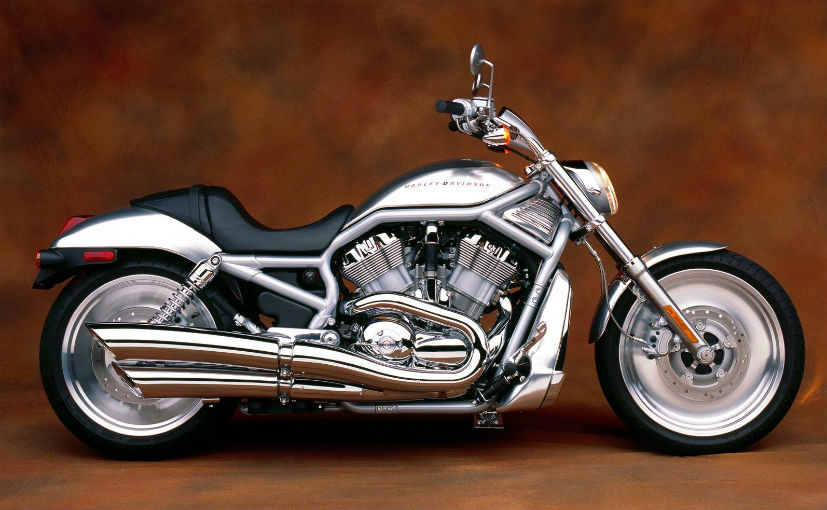
The Harley-Davidson V-Rod had a 16-year run and had the first mass-produced liquid-cooled v-twin engine
The V-Rod had a v-twin engine, but it was co-developed with Porsche, and was the first overhead cam, liquid-cooled Harley-Davidson engine to see mass-market production. The cylinders in the v-twin were placed at a 60-degree angle, instead of the traditional 45-degree angled v-twins that create the signature Harley-Davidson sound. In India, only the Harley-Davidson Night Rod Special, a model in the V-Rod series, was available on sale.
Also Read: Harley-Davidson To Upgrade 2018 Models
But despite its unique characteristics, the V-Rod never became a commercial success that Harley-Davidson had hoped for, despite its 16-year-old run. And for now, it's been given the boot. We're not sure yet if there will be a future iteration of the range yet, but the new 2018 model line-up announced by Harley-Davidson doesn't include the V-Rod any more.
Related News
Popular Harley-Davidson Models


Latest Cars


Upcoming Cars


Latest News


 car&bike Team | Nov 11, 2026RTI vs Zero Depreciation: Which Car Insurance Cover Pays More?Return to Invoice (RTI) covers the gap between your car's current IDV (Insured Declared Value) and the original invoice value in case of theft or total loss. Zero Depreciation reduces deductions on replaced parts during accident repairs.1 min read
 car&bike Team | Nov 11, 2026Engine Protection vs Zero Depreciation: What's The Difference?Zero Depreciation reduces your share of accident repair costs, while Engine Protection covers certain engine and gearbox damage caused by water ingress or oil leakage.1 min read
 car&bike Team | Nov 11, 20262027 Hyundai Creta Interior Spied For The First TimeThe next-generation Creta's cabin gets a complete overhaul with a larger screen, a new steering wheel and more.2 mins read
 Amaan Ahmed | Nov 11, 2026'Fun' In Focus: How Honda Is Building ADV 160, Rebel 300 At Its Oldest India PlantFrom rolling out the first Activa, Honda's Manesar facility -- which marked its 25th anniversary this year -- is now primed to build the company's most exciting new products in years.1 min read
 car&bike Team | Nov 11, 2026Genesis GV90 SUV Design Patented In IndiaThe Genesis GV90's design has been patented in India just months after its global debut.1 min read
 car&bike Team | Nov 10, 20263.3 kW Vs 7.2 kW Vs 11 kW EV Chargers: Which Do You Need?Choosing a home EV charger depends on your car, daily driving and home power supply. A 3.3 kW charger works for smaller EVs, while 7.2 kW suits most mid-size electric cars. An 11 kW charger is meant for larger EVs that support three-phase charging.1 min read