
CES 2017: Honda Unveils Self-Balancing Motorcycle

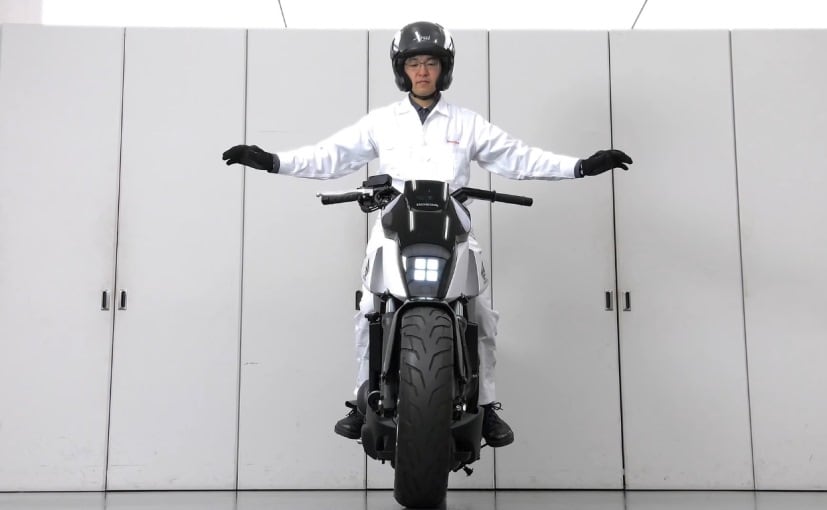
- Honda has showcased the bike at the 2017 Consumer Electronics Show
- The self-balancing technology uses Robotics instead of gyroscopes
- BMW unveiled its self-balancing Vision Next 100 Concept bike last year
Honda has unveiled what it calls the 'Riding Assist' technology at the ongoing Consumer Electronics Show (CES) in Las Vegas. Honda Riding Assist basically uses technology that allows the motorcycle to balance itself in slow speeds without the use of gyroscopes. This is achieved essentially by raking out the motorcycle's front forks and then moving the front wheel back and forth - just like cyclists do to balance themselves at extremely slow speeds.
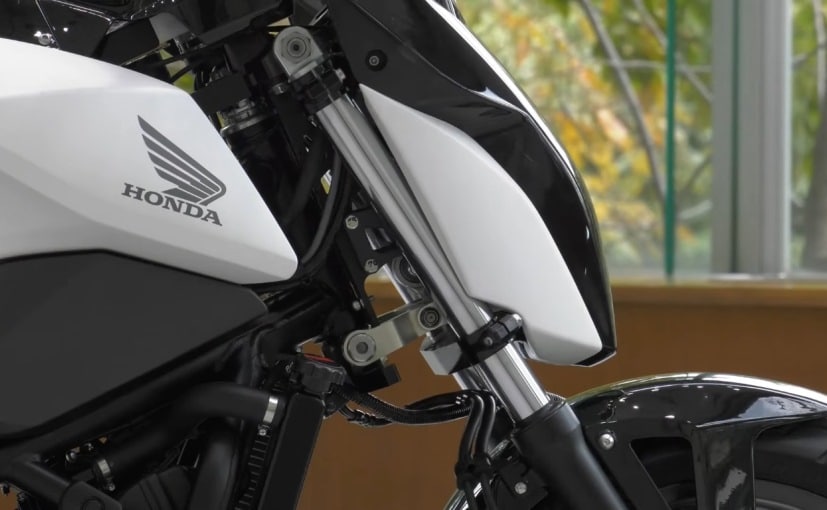
Honda Riding Assist Motorcycle Leverages the Company's Robotics Technology
Most self-balancing technology uses gyroscopes, but that adds a lot of weight, which could limit a motorcycle's ability to manoeuvre. Instead, the Honda Riding Assist motorcycle leverages the company's Robotics technology. When engaged, the system increases the fork angle of the front suspension lengthening the bike's wheelbase and, disconnecting the front forks from the handlebars. The system then uses minute steering inputs to keep the bike perfectly balanced, without the use of heavy gyroscopes or other mass-shifting devices. In fact the concept bike Honda showcased at CES can even silently propel itself along following its owner, hinting that there is space for autonomous technology as well.
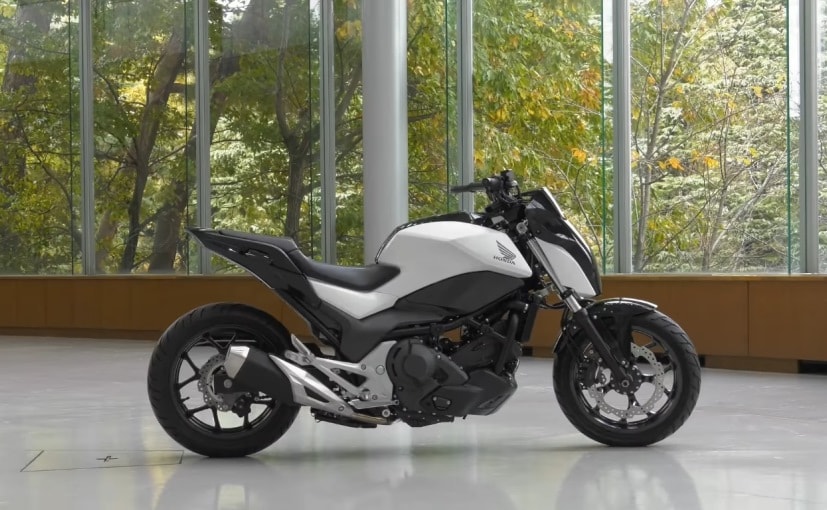
Honda Riding Assist Motorcycle
This is not the first time such self-balancing technology has been revealed in concept form in motorcycles. In October 2016, BMW Motorrad unveiled its self-balancing Vision Next 100 Concept bike. In terms of styling, unlike BMW Motorrad's futuristic concept, Honda's self-balancing Riding Assist motorcycle is more in line with the current design trend. In fact, the bike showcased at CES looks very much like a production bike but Honda hasn't announced any plans to put Riding Assist into its current models.
In any case, such a technology will not only be able to make things simpler for new riders, but could also aid many riders in manoeuvring heavy bikes like the Honda Goldwing at lower speeds.
Related News

Popular Honda Models


Latest Cars


Upcoming Cars


Latest News


 car&bike Team | Nov 12, 2026Hyundai Creta vs Maruti Suzuki Grand Vitara vs Toyota Urban Cruiser Hyryder: Which Compact SUV Fits You?The Hyundai Creta, Maruti Suzuki Grand Vitara and Toyota Urban Cruiser Hyryder are among the popular choices in the compact SUV space. But which one fits your bill?10 mins read
 car&bike Team | Nov 12, 2026Kia To Invest USD 2 Billion For Second Andhra Pradesh Manufacturing FacilityThe brand’s annual production capacity from this plant is rated at 2 lakh units.1 min read
 car&bike Team | Nov 12, 2026Why Does Regenerative Braking In EVs Stop At 100% Battery Charge?We have explained why your electric car suddenly glides freely instead of slowing down when driven with a completely full battery pack.1 min read
 car&bike Team | Nov 12, 2026BYD's Denza D9 MPV, Z9 GT Shooting Brake India Launch Tomorrow: What To Expect?BYD’s luxury brand Denza will enter India with two very different electric offerings: the D9 luxury MPV and the 1,140 bhp Z9 GT Shooting Brake.3 mins read
 car&bike Team | Nov 12, 2026Does Hardwiring A Dashcam Void Your Car Warranty?Take a look at whether hardwiring a dashcam really affects your factory warranty and how you can install one safely in India.6 mins read
 car&bike Team | Nov 11, 2026RTI vs Zero Depreciation: Which Car Insurance Cover Pays More?Return to Invoice (RTI) covers the gap between your car's current IDV (Insured Declared Value) and the original invoice value in case of theft or total loss. Zero Depreciation reduces deductions on replaced parts during accident repairs.1 min read