
New Audi RS5 Debuts With 630 bhp V6 PHEV Powertrain
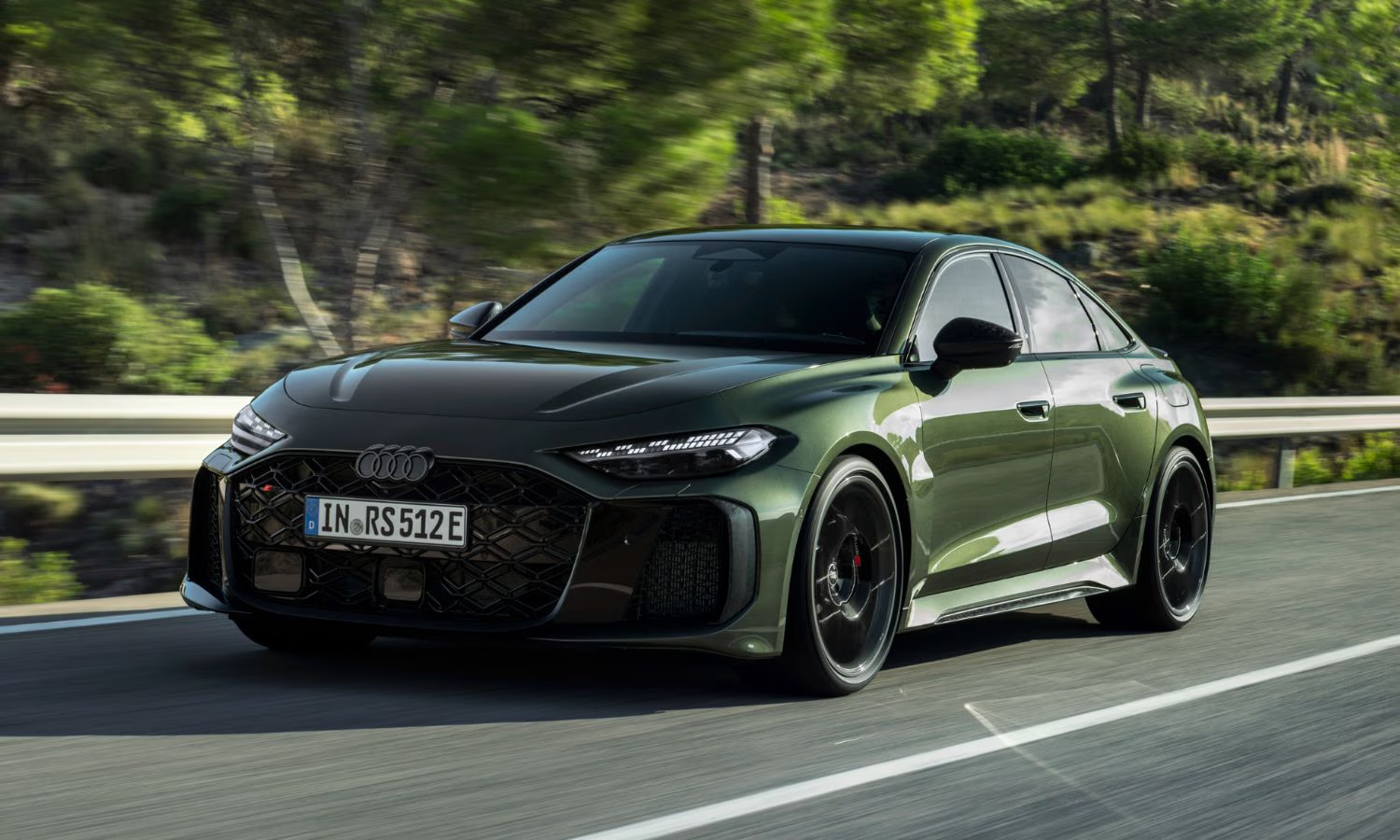
- New AWD system can send up to 85% power to rear wheels
- PHEV develops a peak 630 bhp and 825 Nm
- 25.9 kWh battery offers up to 87 km of EV-only range
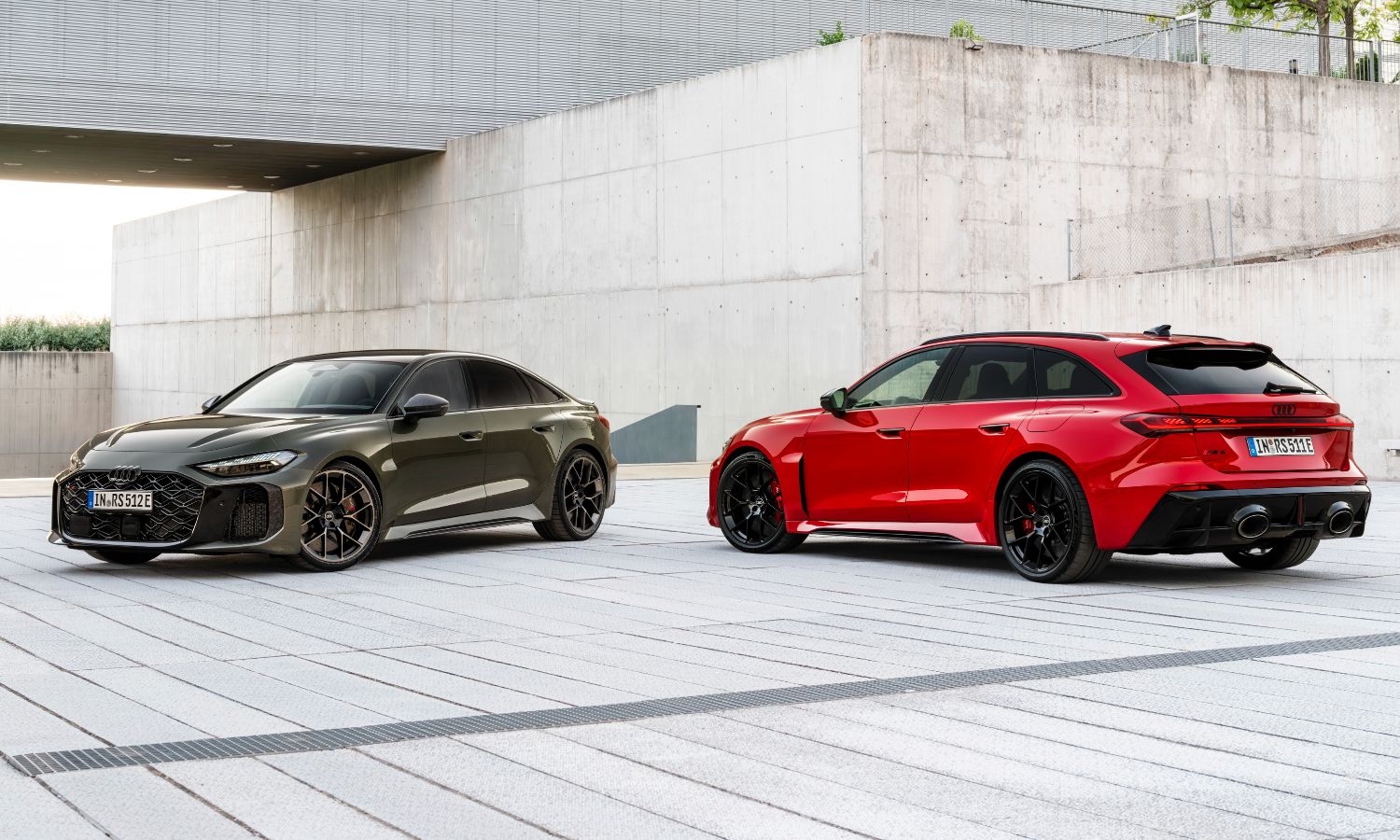
Audi has unveiled the all-new RS5, Audi Sport’s first-ever high-performance plug-in hybrid. The successor to the defunct RS4 - a result of Audi’s short-lived odd and even number naming policy to denote ICE and EVs, the new RS5 will go on sale in global markets in both sedan and Avant (estate) body styles when it goes on sale later in the year.
Also read: Audi SQ8 India Launch On March 17
The biggest talking point of the new RS5 is the powertrain - and its weight, though we’ll talk about that later. The RS gets Audi Sport’s first high-performance plug-in hybrid powertrain from Audi Sport. The system pairs the VW Group’s 2.9-litre twin-turbo V6 with a 130 kW electric motor and an on board battery to deliver a peak 630 bhp while also promising up to 80 km of emissions-free driving. While the outgoing RS4 and RS5 too featured a 2.9-litre V6, the one in the new RS5 gets some notable changes.
Also Read: Audi India Adds ‘My Auras’ In-Car Experience Modes
To meet upcoming Euro 7 emission regulations, the engine now runs on a modified Miller Cycle with the intake valves closing early for a leaner burn and thus reducing NOx emissions. The unit also features higher fuel injection pressure as well as new variable geometry turbos and a new intake system with water-cooled intercoolers. The result is an engine that now produces around 60 bhp more at 503 bhp than the unit in the outgoing RS4 while improving efficiency by a claimed 20 per cent. Engine torque is rated at 600 Nm.
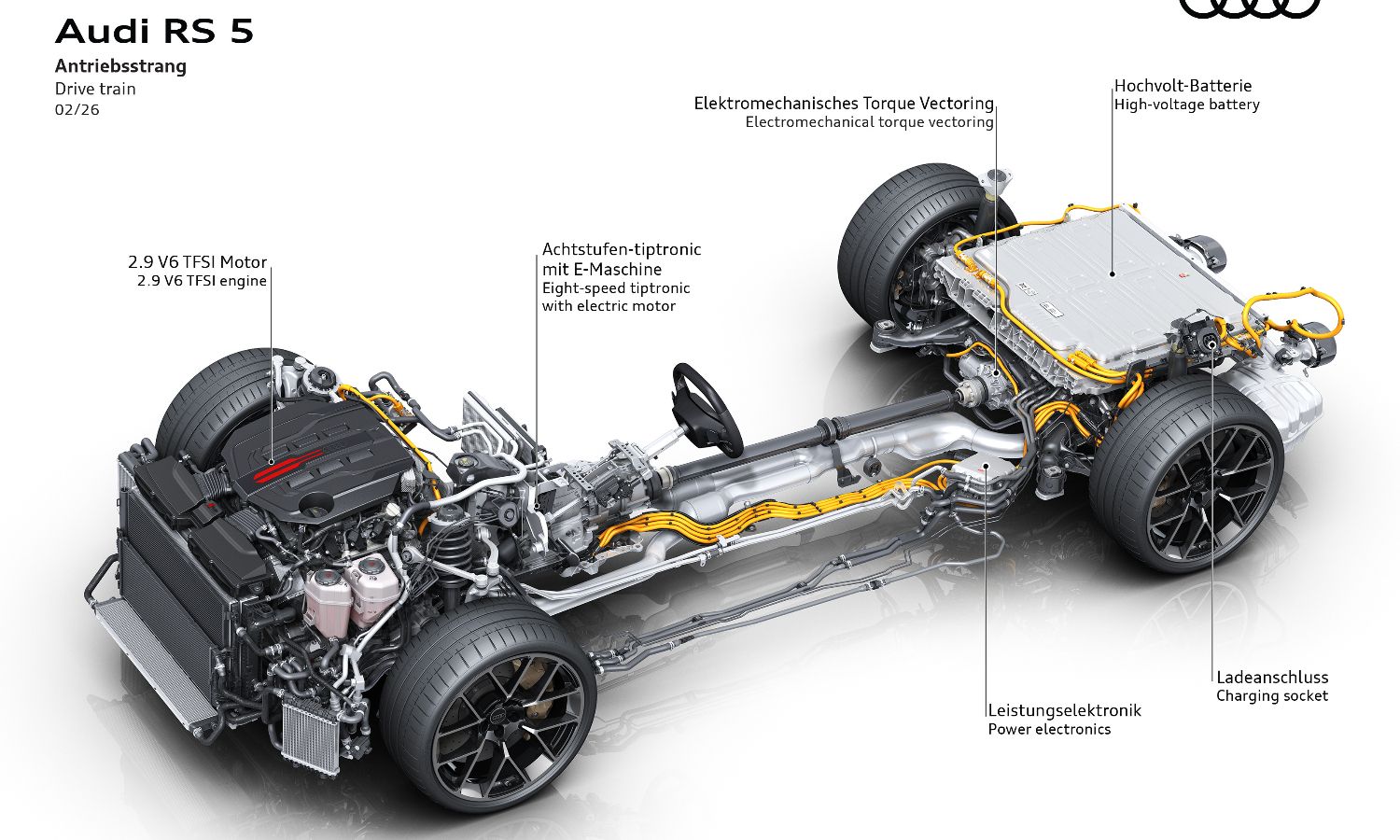
The engine is paired with an electric motor offering a peak output of 174 bhp and 460 Nm, which also doubles as the starter motor for the engine. Peak total output stands at 630 bhp and 825 Nm. Power is sent to the wheels via an 8-speed automatic gearbox.
Also Read: Next-gen Audi Q3 Spied In India Ahead Of Launch In 2026
The 25.9 kWh battery sits above the rear axle and gives the RS5 a range of over 80 km in EV mode alone. Aside from sending power to the main electric motor paired with the engine, Audi says that the battery also sends power to a second electric motor that is integrated into the RS5 electromechanical torque vectoring unit on the rear axle - a first for Audi. The unit can adjust the power sent to each real wheel in under 15 milliseconds to offer maximum power at the wheel with the most grip to enhance cornering.
Also new to the RS5’s all-wheel drive system is a new, limited-slip centre differential capable of sending up to 70 per cent of the power to the front axle or up to 85 per cent to the rear.
Moving to the suspension, the RS5 features a 5-link set-up at the front and rear with RS-specific twin-valve shock absorbers and adaptive dampers. Stopping power comes via 420 mm front and 400 mm steel disc brakes as standard, with carbon ceramic units available as an option.
Also Read: Audi Unveils Concept C; Signals Reborn TT Coming In 2027
All of this tech, however, does come at a cost - weight. Audi says that the RS5 tips the scale at 2,355 kg for the sedan and 2,370 kg for the Avant. This makes it as heavy as some full-size pick-up trucks sold in American markets - a Toyota Tundra weighs between 1880 kg and 2453 kg. Despite the weight, Audi claims a 0-100 kmph time of 3.6 seconds and a top speed of up to 285 kmph with the optional Audi Sport pack.
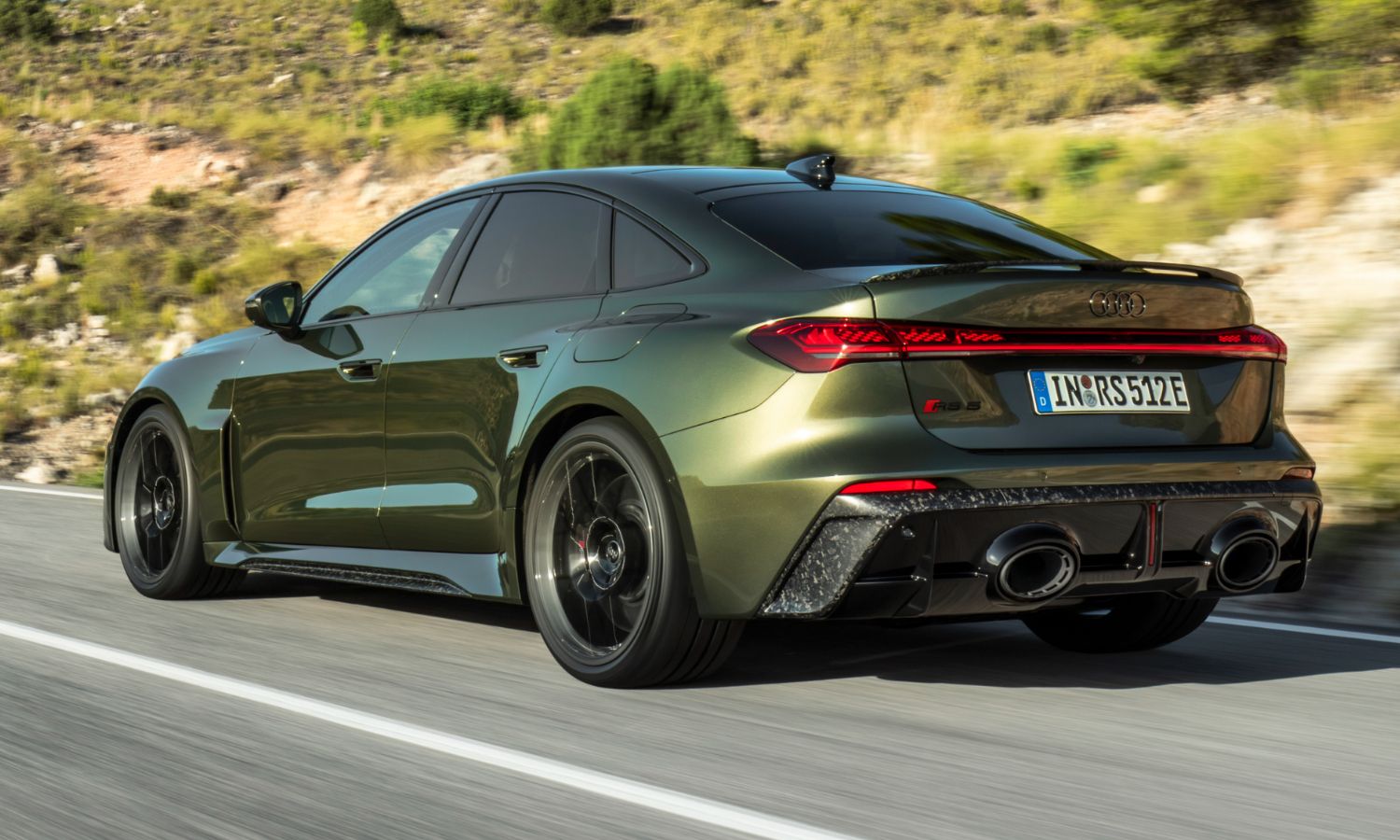
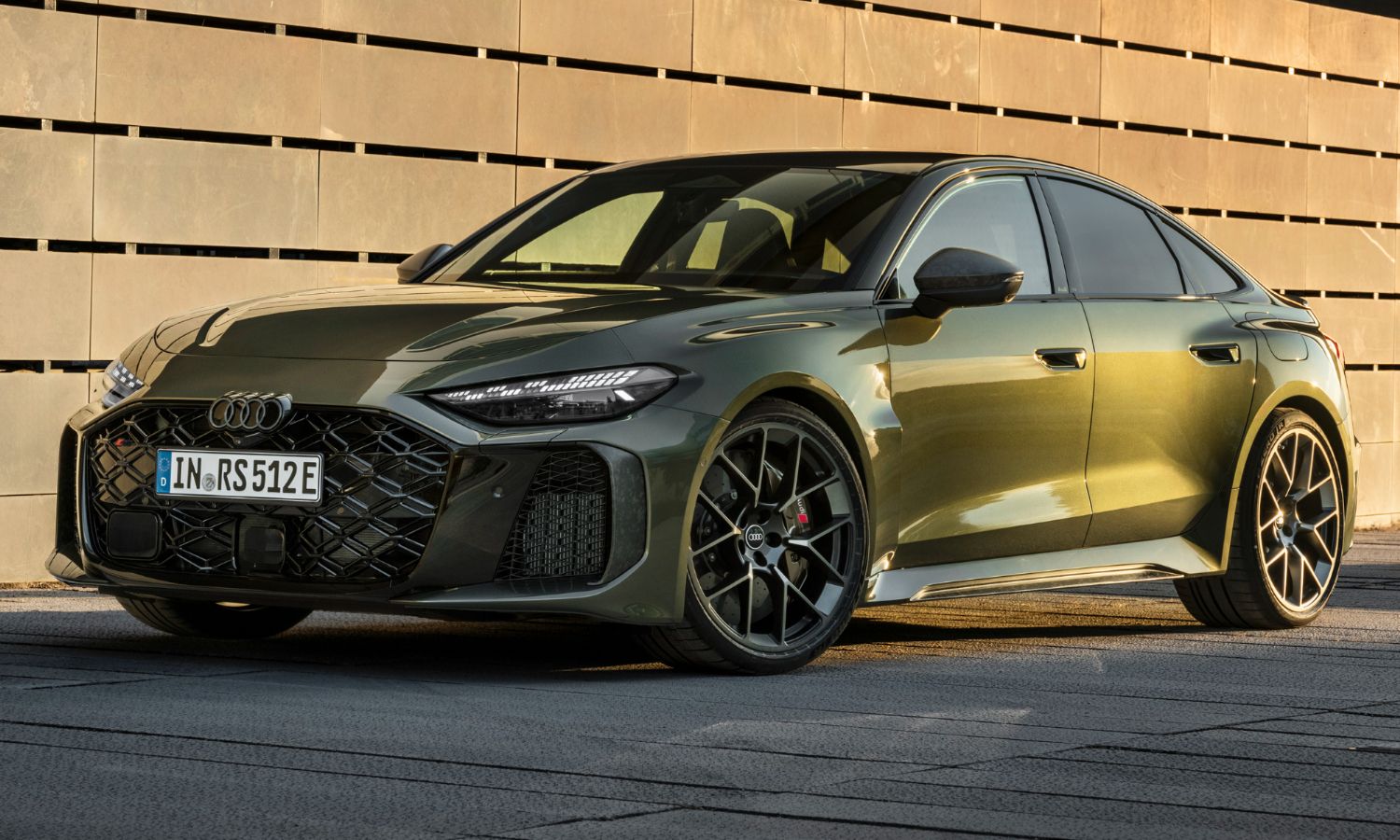
On the styling part, the RS5 looks every bit like an Audi RS car with its bulging fenders and aggressive aero elements. Audi says that the RS5 is up to 80 mm wider than the standard A5 sedan sold in global markets. Buyers can pick between 20 or 21-inch alloy wheel designs to fill out the flared wheel arches.
Up front, the RS5 gets model-specific LED DRL patterns within the Matrix LED headlamps. The fascia is dominated by an oversized three-dimensional honeycomb grille flanked by prominent vents on either side. At the rear, the bumper integrates a dual exhaust and rear diffuser, while a small lip spoiler sits atop the bootlid of the sedan.
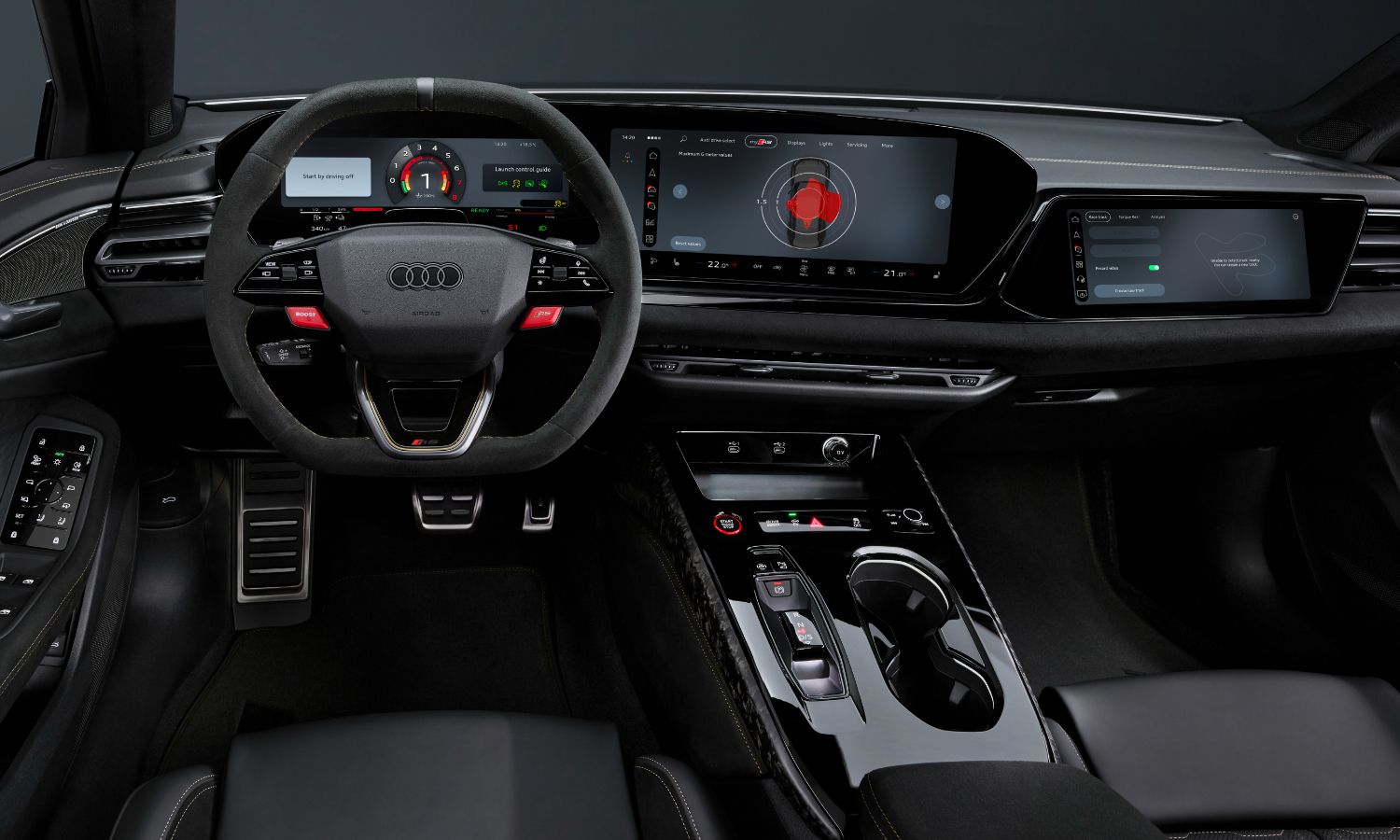
Inside, the RS5 carries over the new-gen interior from the standard A5, including the panoramic display housing an 11.9-inch Virtual cockpit anda 14.5-inch central touchscreen. The 10.9-inch third display for the front passenger is standard fit as well, though a heads-up display is optional. Buyers can also spec an interior in five distinctive designs, including a leather-free cabin.
Audi says that the new RS5 will go on sale in European markets in the coming months, though it remains to be seen if it will come to India. The standard A5 is likely to come to India sometime this year, with the current A4 a fairly dated model in Audi’s range. Additionally, with models such as the M4 and AMG C 63 on sale in India, the RS5 should also be able to find buyers in the market.
Related News

Popular Audi Models


Latest Cars


Upcoming Cars


Latest News


 car&bike Team | Oct 14, 2026Toyota Glanza Facelift: Variants, Features, Prices ExplainedThe Glanza Facelift is offered in five trim levels, including E, S, G, V and a newly added trim, V (O).3 mins read
 Seshan Vijayraghvan | Oct 14, 20262026 Toyota Glanza Facelift: In PicturesThe new Toyota Glanza facelift is here, with some interesting visual changes and upgrades. Here's a look at the premium hatch in pictures.1 min read
 car&bike Team | Oct 14, 2026Toyota Glanza Facelift Launched At Rs 6.99 LakhThe Glanza facelift gets a series of changes over the outgoing model including revised exterior, more features and a new 3-cylinder engine.3 mins read
 Carandbike Team | Oct 14, 20262027 Kawasaki Versys 900 Based On Z900 RevealedThe new Kawasaki Versys 900 gets radar cruise control, and shares the 948 cc, inline-four engine with the Kawasaki Z900, with marginally less power.1 min read
 car&bike Team | Oct 14, 2026Toyota Glanza Facelift Launch Today: What To Expect?The Glanza facelift launches on October 14, with revised styling, a three-cylinder petrol engine and possible equipment upgrades.3 mins read
 Bilal Firfiray | Oct 14, 2026BMW Concept 7 Protection Unveiled For Those Who Want To Be DiscreetIts armoured, of course, but this study showcases how it can be inconspicuous at the same time.2 mins read